Written with insight, expertise, and commitment from Lochlabs Limited — Kenya’s trusted partner in medical diagnostics and diabetes care.
Diabetes continues to rise at a worrying pace globally and right here in Kenya, affecting individuals of all ages and lifestyles. For many people, a diagnosis feels overwhelming because diabetes seems complicated, scary, or impossible to manage. But the truth is far from that. With the right information, the right habits, and the right tools, diabetes can be controlled — and millions of people around the world live healthy, fulfilling, active lives with it every single day.
To understand how to manage diabetes well, we must first understand what diabetes really is.
Understanding Diabetes in Simple Language
Your body uses glucose (sugar) as fuel, and this glucose enters your bloodstream once food is digested. To help the glucose move from your blood into your body’s cells, you rely on a hormone called insulin, produced by the pancreas. Insulin works like a key that opens the door to your cells, allowing glucose to enter and be used for energy.
Diabetes occurs when this system no longer functions properly. In Type 1 diabetes, the body produces little or no insulin at all. In Type 2 diabetes — the most common type in Kenya — the body produces insulin but cannot use it effectively, a condition known as insulin resistance. Some women also develop gestational diabetes during pregnancy when hormones interfere with insulin function.
When the body cannot use insulin properly, glucose stays in the bloodstream instead of entering the cells. Over time, high blood sugar damages blood vessels, nerves, organs, and tissues. But with proper management, these complications can be delayed or completely prevented.
Before we explore how diabetes can be effectively managed, let’s introduce you to a company that has spent more than a decade empowering Kenyans with world-class diabetes care tools.
Before We Dive In: Meet Lochlabs Limited — Your Trusted Diabetes Care Partner
Lochlabs Limited is one of Kenya’s most reliable importers and distributors of medical devices and diagnostic equipment. We’ve been serving the Kenyan healthcare industry since 2013, providing high-quality products to hospitals, clinics, laboratories, pharmacies, distributors, NGOs, outreach programs, and individual households.
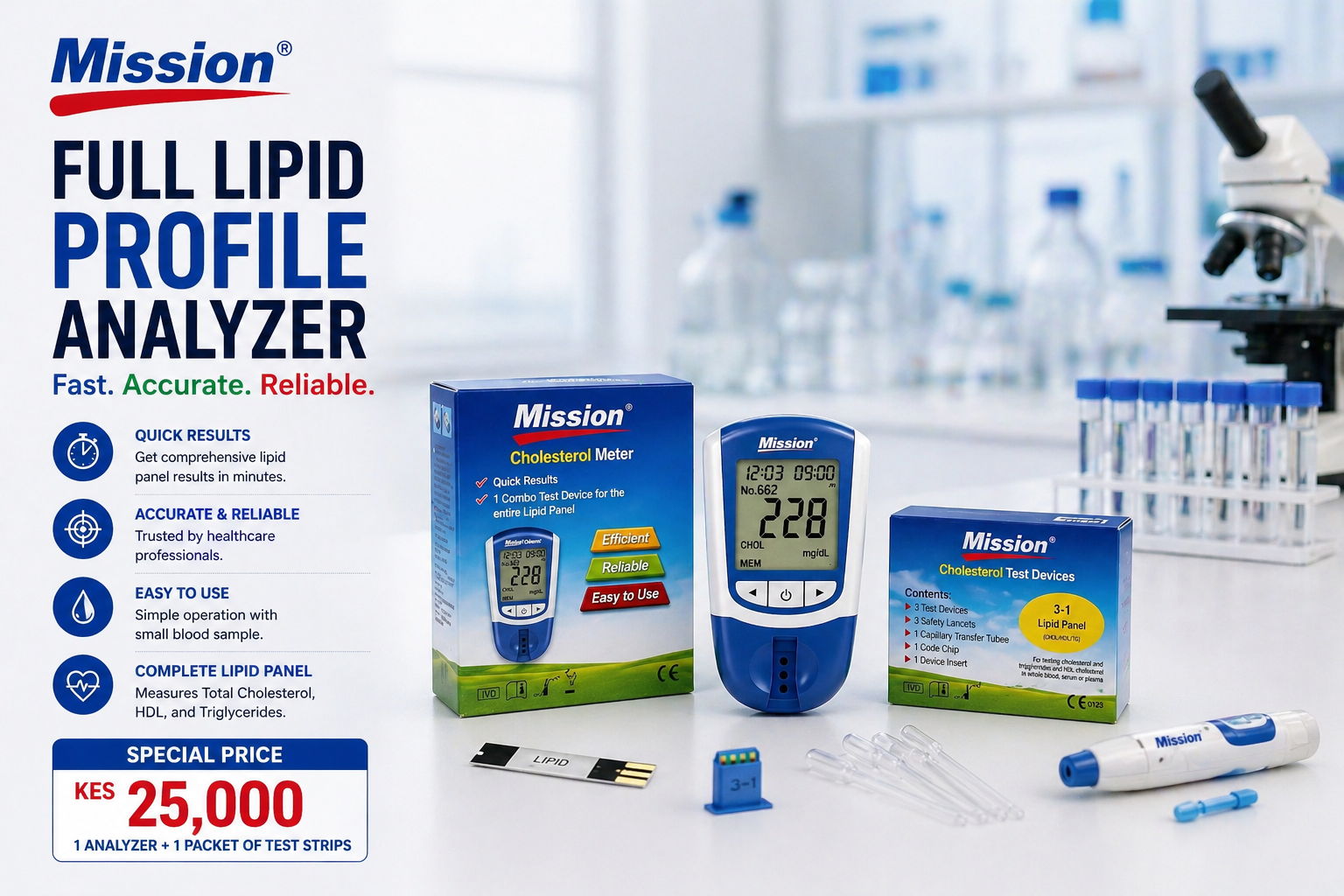
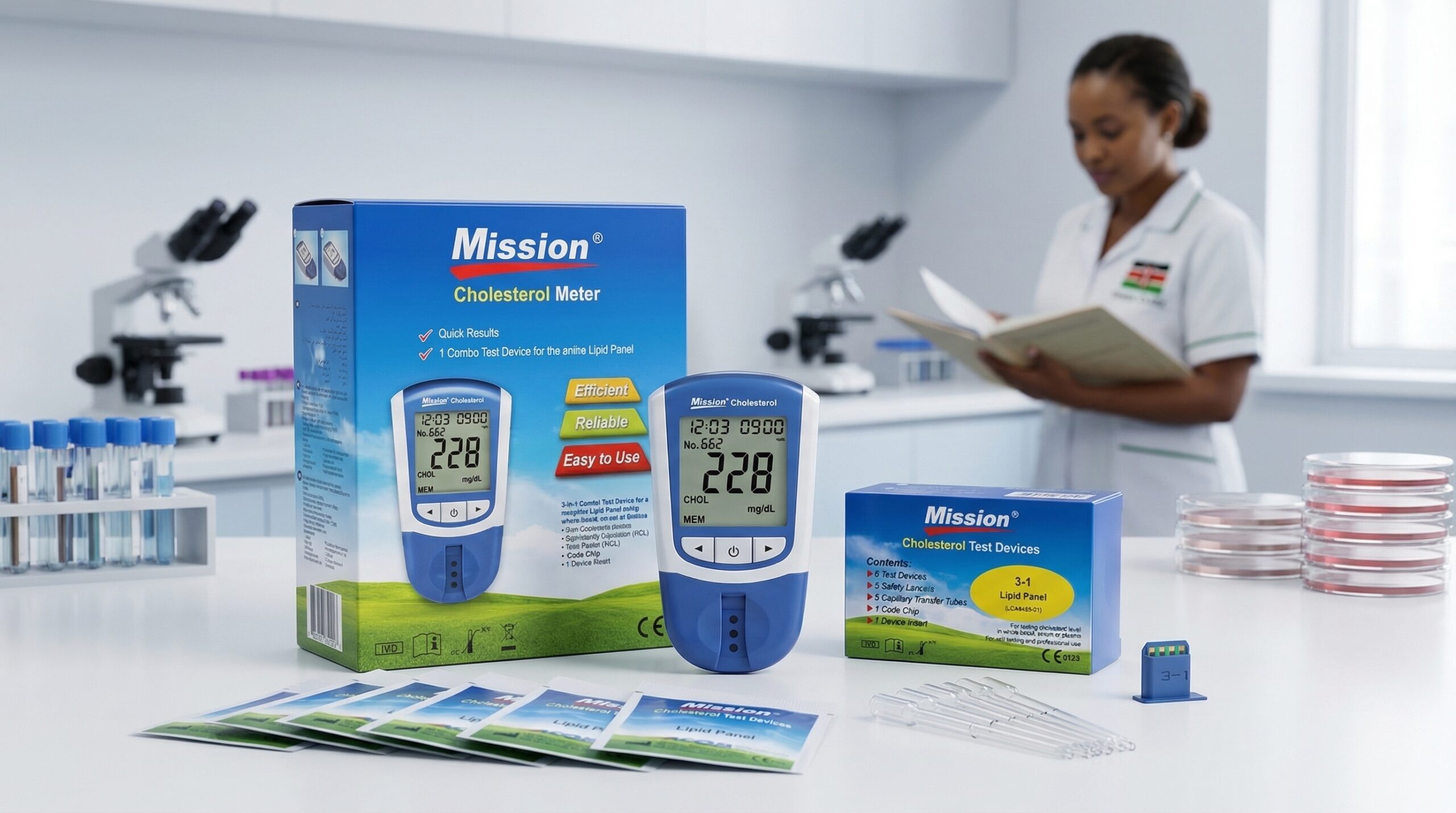
Over the years, Lochlabs has carved a strong niche in diabetes care, driven by the rising number of cases across the country. Today, more than 75% of our business focus is dedicated to diabetes diagnostics and management tools. We supply a comprehensive range of medical and laboratory products, including blood glucose monitoring systems, continuous glucose monitoring devices, HbA1c analyzers, full lipid analyzer among many others.
Lochlabs is also the official Market Authorization Holder for many world known manufacturers of medical diagnostics, eg Microtech Medical Inc, Acon Laboratories Inc. , Wuxi BioHermes Bio&Medical Technology Co., Ltd. CTest Diagnostics Inc. among many others. These partnerships means every product you buy or obtained through Lochlabs is original, PPB-approved, ISO-certified, and backed by full local support and warranty.
Our mission is simple: to provide credible, high-quality healthcare solutions that empower patients, support clinicians, and raise the overall standard of health in Kenya. With this foundation set, let’s explore how diabetes can be managed through five key pillars.
The Five Pillars of Effective Diabetes Management
To manage diabetes successfully, there are five core pillars that must work together:
Self-monitoring
Medication
Diet
Physical exercise
Access to information & continuous training
When these five elements are embraced consistently, diabetes becomes manageable and complications become preventable.
1. Self-Monitoring of Blood Glucose (SMBG)
Self-monitoring is the heartbeat of diabetes management because it gives you real-time insights into what is happening inside your body. Blood sugar levels are influenced by meals, physical activity, stress, sleep, hydration, hormones, and even illness. Without regular monitoring, you’re essentially guessing — and guessing and diabetes do not mix well.
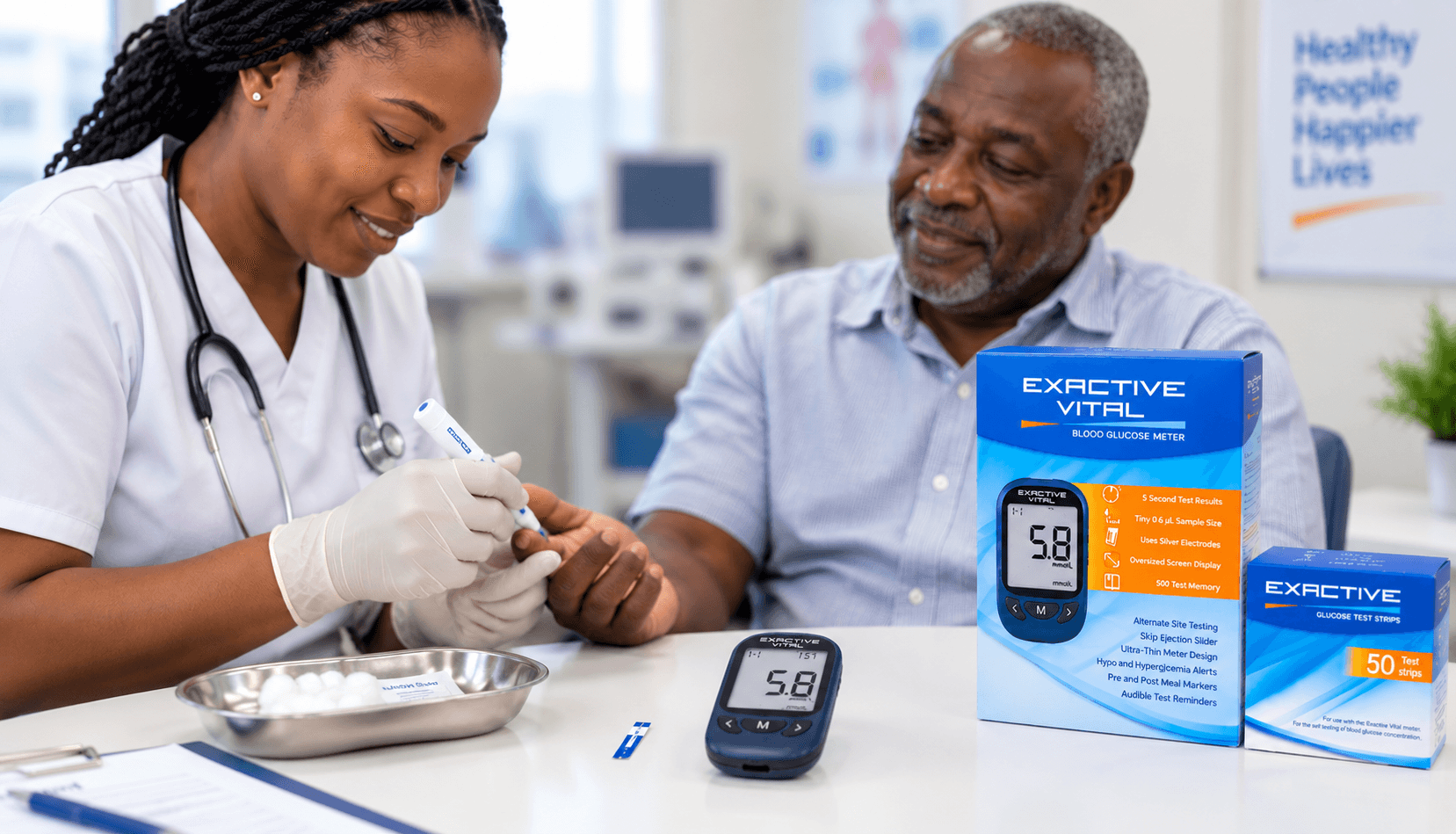
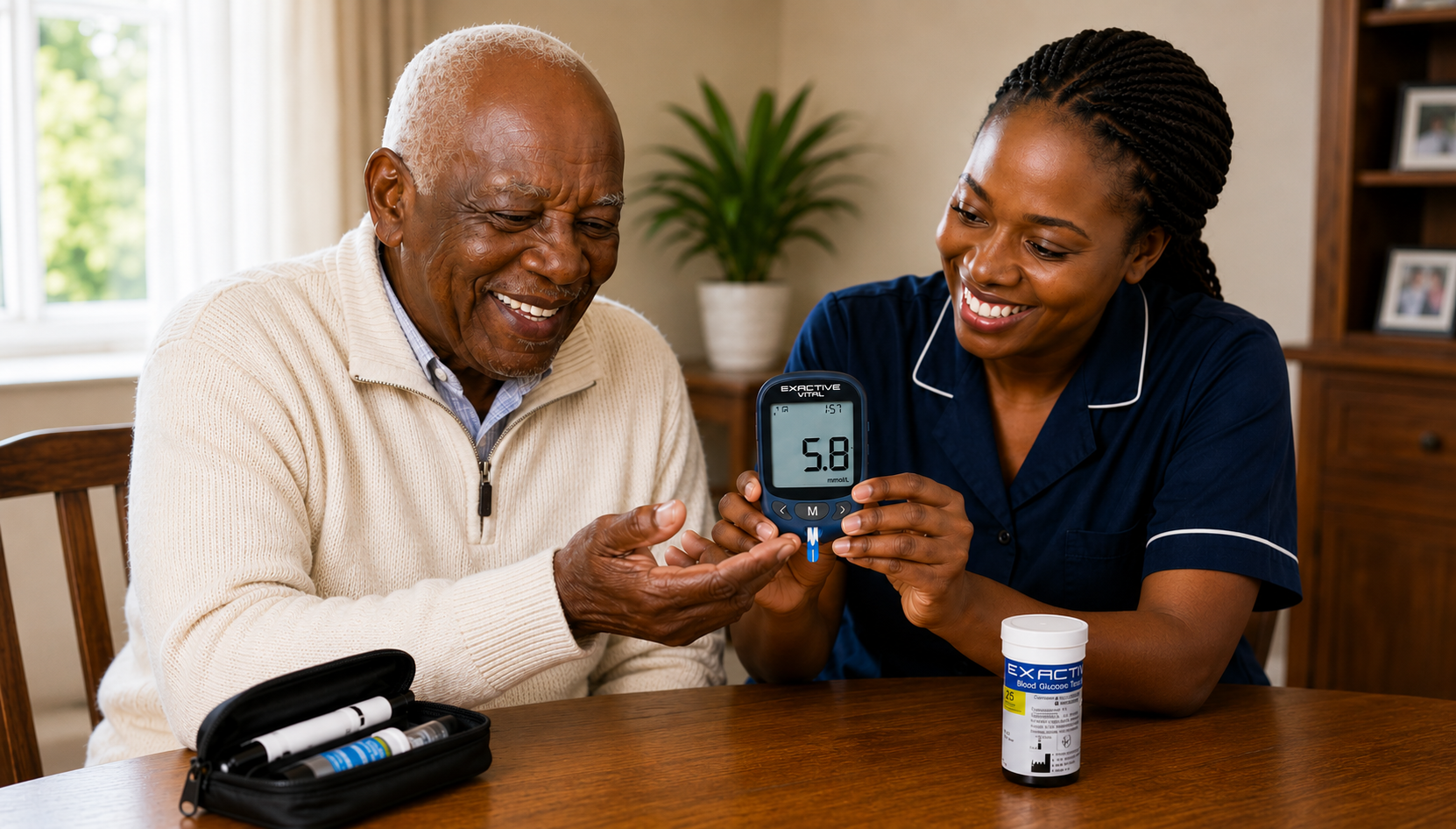
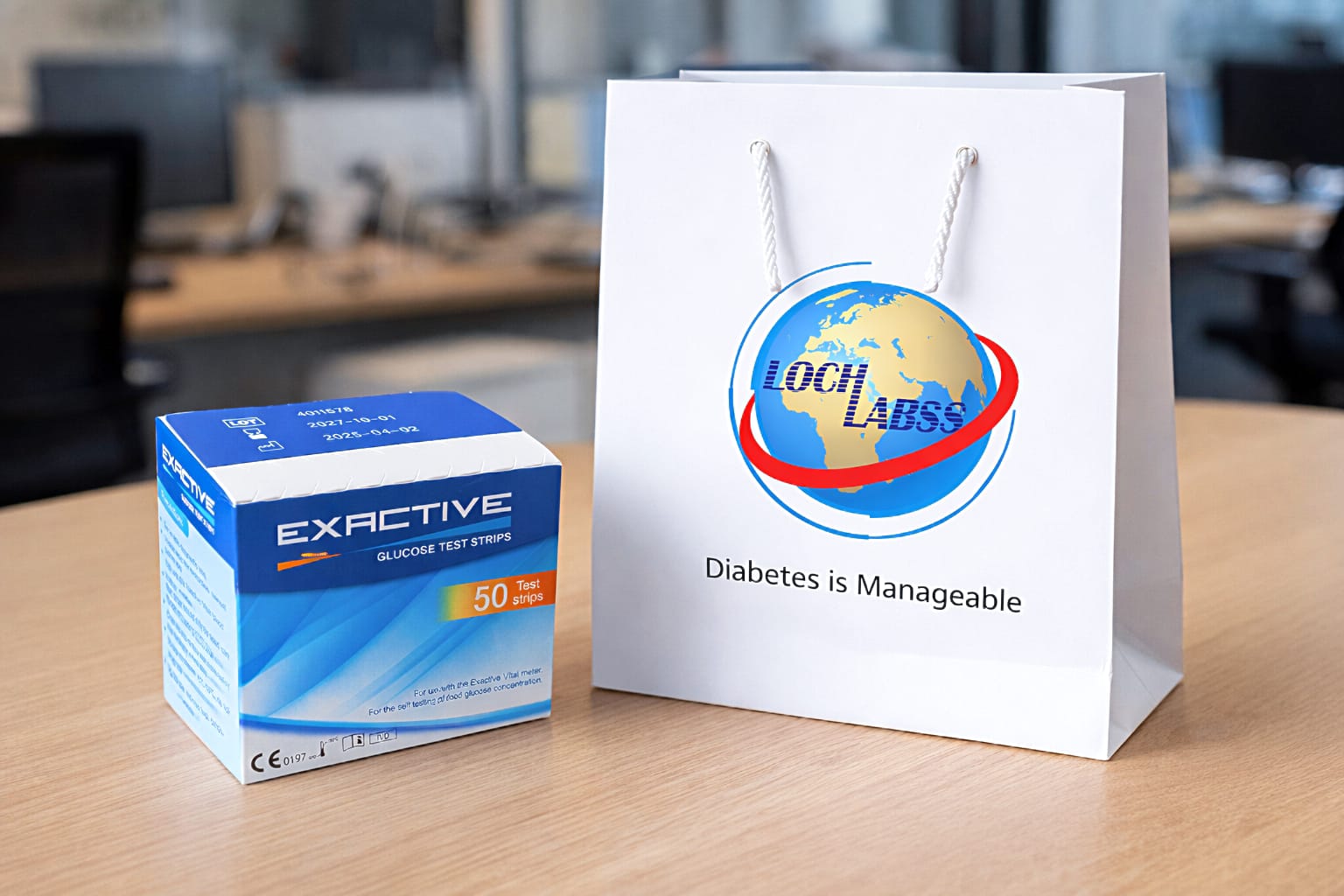
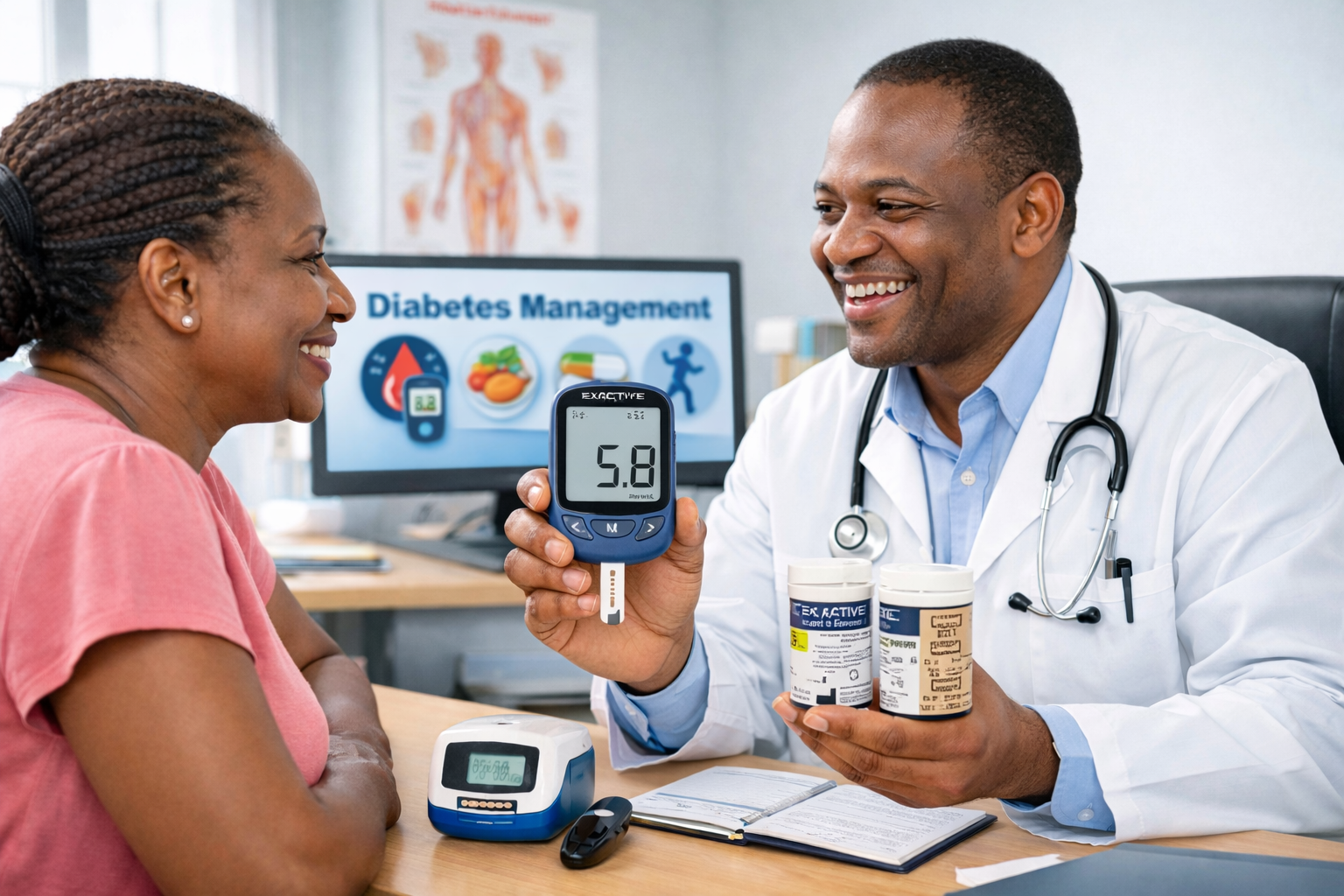
Most patients begin monitoring their blood sugar using a glucometer. Lochlabs proudly supplies the Exactive Vital™ Blood Glucose Monitoring System, a device known for accuracy, convenience, and speed. It provides results in just five seconds using a very small blood sample, making it comfortable and easy to use for daily checks. Because it’s PPB-approved and ISO-certified, you can trust its readings both at home and in professional healthcare settings.
👉 Learn more here: https://lochlabs.com/our-products/
As technology advances, Continuous Glucose Monitoring (CGM) has emerged as a powerful tool that measures glucose throughout the entire day and night through a small sensor worn on the skin. CGM systems help users understand hidden patterns — such as spikes after meals or sudden drops during sleep. In new future Lochlab will be availing for you CGM at affordable cost. We are in quest of this preparation and we shall be announcing this good news soon.
Beyond daily checks, long-term monitoring is equally important because glucose fluctuates from moment to moment. This is where the HbA1c test comes in. The HbA1c test measures the percentage of glycated hemoglobin — hemoglobin that has bonded with glucose — which reflects your average blood sugar over the past three months. It offers a bigger picture of how well your diabetes is being controlled.
The HbA1c test is essential not only for diagnosing diabetes but also for assessing how effectively a patient’s treatment plan is working. High blood sugar can silently damage the body long before symptoms appear, which is why consistent HbA1c monitoring is critical. The recommended HbA1c target for most people with diabetes is below 7%, although individual targets vary.
Lochlabs supplies the Biohemes HbA1c EZ 2.0 Analyzer, a professional, handheld device that provides accurate HbA1c results in just five minutes using a tiny blood sample. It is ideal for clinics, rural facilities, outreach programs, and diagnostic centers because it requires no calibration, has long-lasting test strips, and delivers fast, dependable results.
👉 Learn more here: https://lochlabs.com/our-products/
Many patients often wonder why their blood sugar remains high even when they are eating healthy, taking medication, and exercising. Several factors contribute to this: Type 2 diabetes is progressive, meaning the body gradually produces less insulin over time; portion control is sometimes misunderstood even when healthy foods are eaten; lack of strength training reduces insulin sensitivity; stress increases blood sugar; and certain medications, including steroids, can cause sugar levels to rise. This is why continuous monitoring, regular checkups, and a clear understanding of your body are so important.
Together, glucometers, CGM devices, and HbA1c testing form a powerful monitoring system that empowers patients and guides healthcare professionals in providing the best care.
2. Medication
Medication plays a central role in controlling blood sugar levels. Depending on the type of diabetes and your individual health needs, different medications may be prescribed. For people with Type 1 diabetes, insulin is essential because their bodies do not produce any. For people with Type 2 diabetes, medications work in different ways — some help the body use insulin better, while others reduce the production of glucose in the liver or stimulate the pancreas to release more insulin.
Consult with your doctor what medicine is right for your health needs. It is extremely important never to self-prescribe diabetes medication. Only a doctor can determine which medication is right for you, at what dose, and for how long. What works effectively for one patient may not work for another — and taking the wrong medication or the wrong dosage can be dangerous.
3. Diet & Nutrition
Diet is one of the most influential factors in blood sugar management. Every carbohydrate you eat eventually turns into glucose, which is why understanding your food choices is essential. Managing diabetes doesn’t mean giving up your favorite foods — it means learning how to portion them correctly and how to choose alternatives that stabilize blood sugar instead of spiking it.
Healthy carbohydrates like sweet potatoes, whole-grain ugali, oats, brown rice, whole-wheat chapati, ndengu, beans, and lentils release glucose slowly and help keep blood sugar stable. Vegetables, especially leafy greens, cabbage, broccoli, cauliflower, and sukuma wiki, are incredibly beneficial because they are low in calories and carbohydrates but high in fiber and nutrients. Proteins such as eggs, chicken, fish, lean beef, and legumes help you stay full and minimize sudden increases in sugar levels. Healthy fats from avocados, nuts, seeds, and plant oils support overall health and improve nutrient absorption.
The simplest and most effective way to build a diabetes-friendly meal is the Kenyan Plate Method, where half of your plate is vegetables, one quarter protein, and one quarter healthy carbohydrates. This method is easy to apply to everyday meals and supports long-term sugar control. For more on this consult with your clinician or dietician.
4. Physical Exercise
Exercise acts as a natural insulin booster. When you move your body, your cells become more sensitive to insulin, making it easier for glucose to enter the cells and leave your bloodstream. This leads to lower, more stable sugar levels. Regular activity also strengthens the heart, supports weight control, improves mood, reduces stress, and enhances overall well-being.
You don’t need expensive gym equipment to benefit from exercise. Brisk walking, jogging, cycling, swimming, stretching, yoga, and simple home workouts are all effective. Aim for at least 150 minutes of moderate activity each week, paired with strength training at least twice a week. Strength training builds muscle mass — and the more muscle you have, the easier it is for your body to use insulin properly.
Always check your blood sugar before and after exercising, especially if you’re on insulin or medications that may cause hypoglycemia. Tools like the Exactive Vital™ glucometer help you stay safe while staying active.
5. Access to Information and Continuous Training
Diabetes management is not a one-time lesson; it’s a lifelong learning journey. The more informed you are, the more confident you become in managing your condition. Attending follow-up clinics, nutrition sessions, diabetes training programs, and regular consultations with healthcare providers is essential for staying ahead of the condition.
Engaging in diabetes awareness events, World Diabetes Day activities, medical camps, and community forums helps patients learn from experts and peers. Reading credible resources like this article you are reading 😀, following trusted health platforms, and staying curious ensures that you’re always up to date with the latest guidelines and best practices.
Lochlabs plays a key role in this pillar by offering educational materials for our products, training opportunities, and informative content on our website to support patients, families, and healthcare practitioners.
Final Thoughts
Managing diabetes is not about aiming for perfection — it’s about consistency, awareness, and support. When you monitor your sugar properly, take the right medication, eat mindfully, stay active, and commit to learning, diabetes becomes manageable and complications become preventable.
For more than a decade, Lochlabs Limited has supported Kenya with reliable, PPB-approved diagnostic tools that empower patients and healthcare professionals. From glucometers, Full Lipid Profile Analyzer, Selected Rapid Dignostic Kits, to HbA1c analyzers among other products and educational resources, we are committed to making diabetes care accessible, accurate, and affordable for everyone.
For bulk orders, or tools for your own use, partnerships, or inquiries, reach us anytime:
📞 Call/WhatsApp: +254 720 952727
📧 Email: info@lochlabs.com
🌐 Explore all products: https://lochlabs.com/our-products/