Every year on 14 November, the world marks World Diabetes Day, an international awareness campaign dedicated to improving understanding of diabetes, promoting better access to healthcare and encouraging action to reduce the growing burden of the condition.
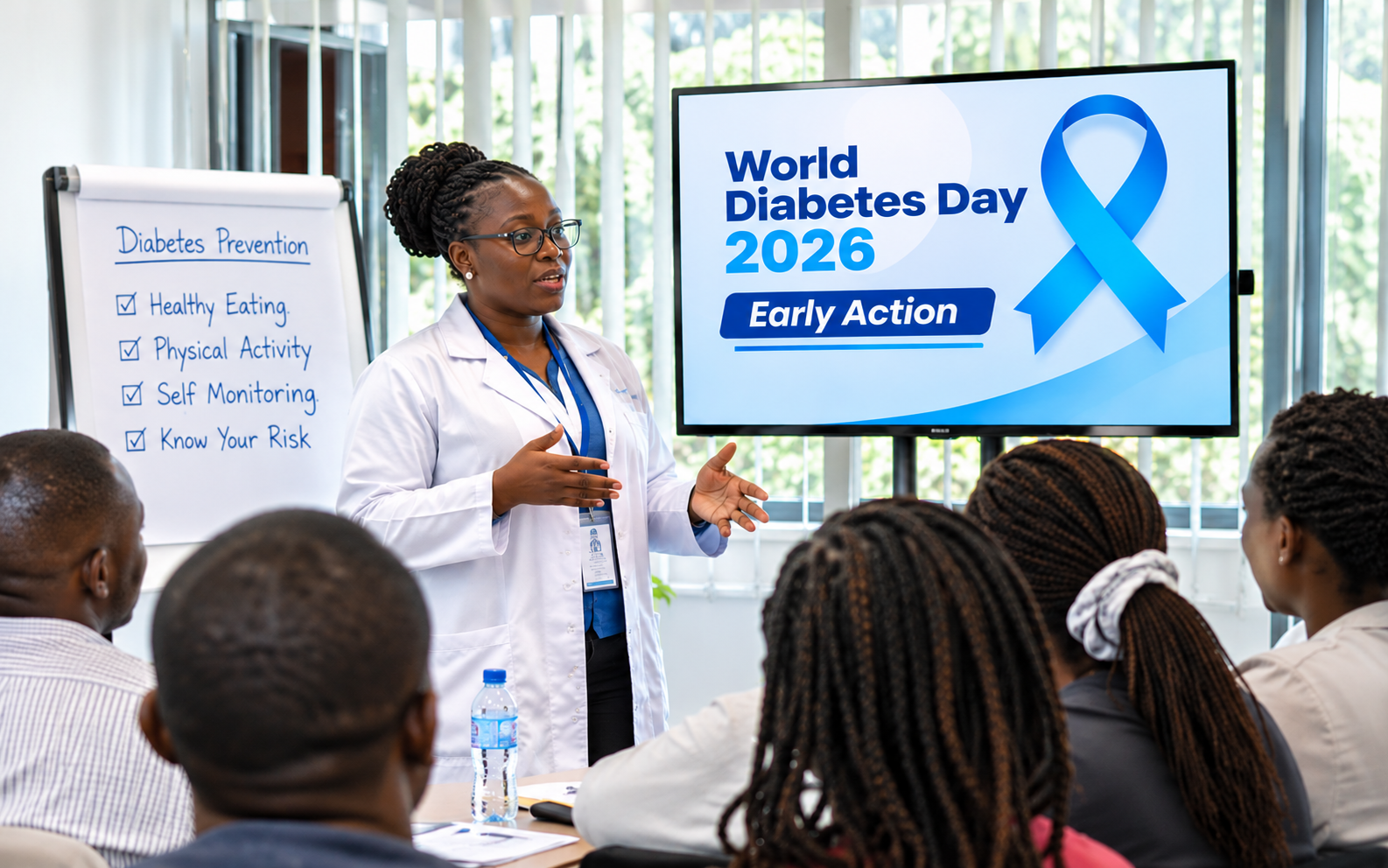
In 2026, the campaign begins a new two-year theme: “Early Action on Diabetes.” Led by the International Diabetes Federation (IDF), the 2026–2027 campaign places particular emphasis on early diagnosis, reducing the risk of type 2 diabetes and ensuring that people living with diabetes can access appropriate, continuous healthcare.
The message is particularly important because millions of people worldwide are living with diabetes without knowing it. According to the International Diabetes Federation, approximately 589 million adults aged 20–79 were living with diabetes in 2024, and more than four in ten were unaware that they had the condition.
For Kenya and the wider African region, early action is especially important. Many people only discover they have diabetes after experiencing symptoms or developing complications that could have been addressed earlier.
At Lochlabs Limited, we recognise the importance of accessible diagnostic solutions, reliable monitoring equipment and quality diabetes-care products in supporting healthcare professionals and individuals managing their health. As a Kenyan supplier specialising in diabetes care and medical diagnostics, we join the global community in highlighting the importance of acting early.
Understanding Diabetes: What Is It?
Diabetes is a chronic condition that occurs when the body cannot properly regulate blood glucose, commonly known as blood sugar.
The body uses a hormone called insulin, produced by the pancreas, to help glucose move from the bloodstream into the body’s cells, where it is used for energy.
Diabetes develops when the pancreas does not produce enough insulin or when the body cannot use insulin effectively. This results in elevated blood glucose levels, which, over time, can damage important organs and body systems.
There are three main types of diabetes:
1. Type 1 Diabetes
Type 1 diabetes is an autoimmune condition in which the body’s immune system attacks the insulin-producing cells in the pancreas. Consequently, the body produces little or no insulin.
It can develop at any age, although it is commonly diagnosed in children and young adults. People living with type 1 diabetes require insulin treatment to survive.
2. Type 2 Diabetes
Type 2 diabetes occurs when the body becomes resistant to insulin or does not produce enough insulin to maintain normal blood glucose levels.
It is the most common form of diabetes, accounting for more than 95% of diabetes cases worldwide. Its development is associated with several factors, including genetics, ageing, excess body weight and physical inactivity.
Although it is more common in adults, type 2 diabetes is increasingly being diagnosed in younger people.
Importantly, type 2 diabetes can often be prevented or delayed through appropriate lifestyle changes and early intervention among people at increased risk.
3. Gestational Diabetes
Gestational diabetes is characterised by elevated blood glucose levels first identified during pregnancy.
It requires appropriate medical attention because it can affect both the mother and the developing baby. Women who experience gestational diabetes also have an increased risk of developing type 2 diabetes later in life.
Why Is Early Action on Diabetes Important in 2026?
The theme, Early Action on Diabetes, addresses a major challenge in global healthcare: too many people are diagnosed late, while others remain unaware that they are at risk.
The International Diabetes Federation estimates that approximately 252 million adults worldwide are living with undiagnosed diabetes.
Early diagnosis matters because prolonged exposure to elevated blood glucose can lead to serious complications, including:
- Heart disease and stroke: Diabetes increases the risk of cardiovascular disease.
- Kidney damage: Persistently high blood glucose can damage the kidneys and potentially lead to kidney failure.
- Vision problems: Diabetes can damage blood vessels in the retina, resulting in diabetic retinopathy and possible vision loss.
- Nerve damage: Diabetic neuropathy can affect the nerves, particularly in the feet and legs.
- Foot complications: Reduced circulation and nerve damage can contribute to foot ulcers, infections and, in severe cases, amputation.
Early diagnosis creates an opportunity for timely medical intervention, appropriate treatment, blood glucose management and regular monitoring. These measures can help reduce the risk of complications and improve quality of life.
Recognising the Warning Signs of Diabetes
One of the central messages of World Diabetes Day 2026 is the importance of recognising diabetes symptoms and seeking medical attention early.
Common warning signs include:
- Increased thirst.
- Frequent urination.
- Persistent tiredness or fatigue.
- Increased hunger.
- Unexplained weight loss.
- Blurred vision.
- Slow-healing wounds.
Type 1 diabetes symptoms can develop rapidly, sometimes over days or weeks. Type 2 diabetes, however, may develop gradually and remain unnoticed for years.
Some people with type 2 diabetes experience few or no noticeable symptoms, making appropriate screening and testing particularly important.
If you experience these symptoms, consult a qualified healthcare professional. Do not rely on symptoms alone to determine whether you have diabetes.
The Importance of Early Diabetes Testing and Monitoring
Early action begins with knowing your blood glucose levels and seeking appropriate medical assessment.
Diabetes can be identified through several laboratory and point-of-care tests, depending on the patient’s clinical circumstances.
Some commonly used tests include:
Fasting Plasma Glucose (FPG)
This test measures blood glucose after an overnight fast. It is commonly used to assess blood glucose levels and diagnose diabetes.
HbA1c Test
The HbA1c test measures glycated haemoglobin and provides an indication of average blood glucose levels over approximately the previous two to three months.
It is an important tool in diabetes diagnosis and ongoing monitoring when performed using an appropriate, validated testing method.
Oral Glucose Tolerance Test (OGTT)
This test measures how the body processes glucose by assessing blood glucose levels before and after consuming a standardised glucose solution.
Random Blood Glucose Test
This test measures blood glucose at any time of the day and can support diagnosis when considered alongside symptoms and the appropriate clinical criteria.
Once diabetes has been diagnosed, regular blood glucose monitoring becomes an important part of managing the condition.
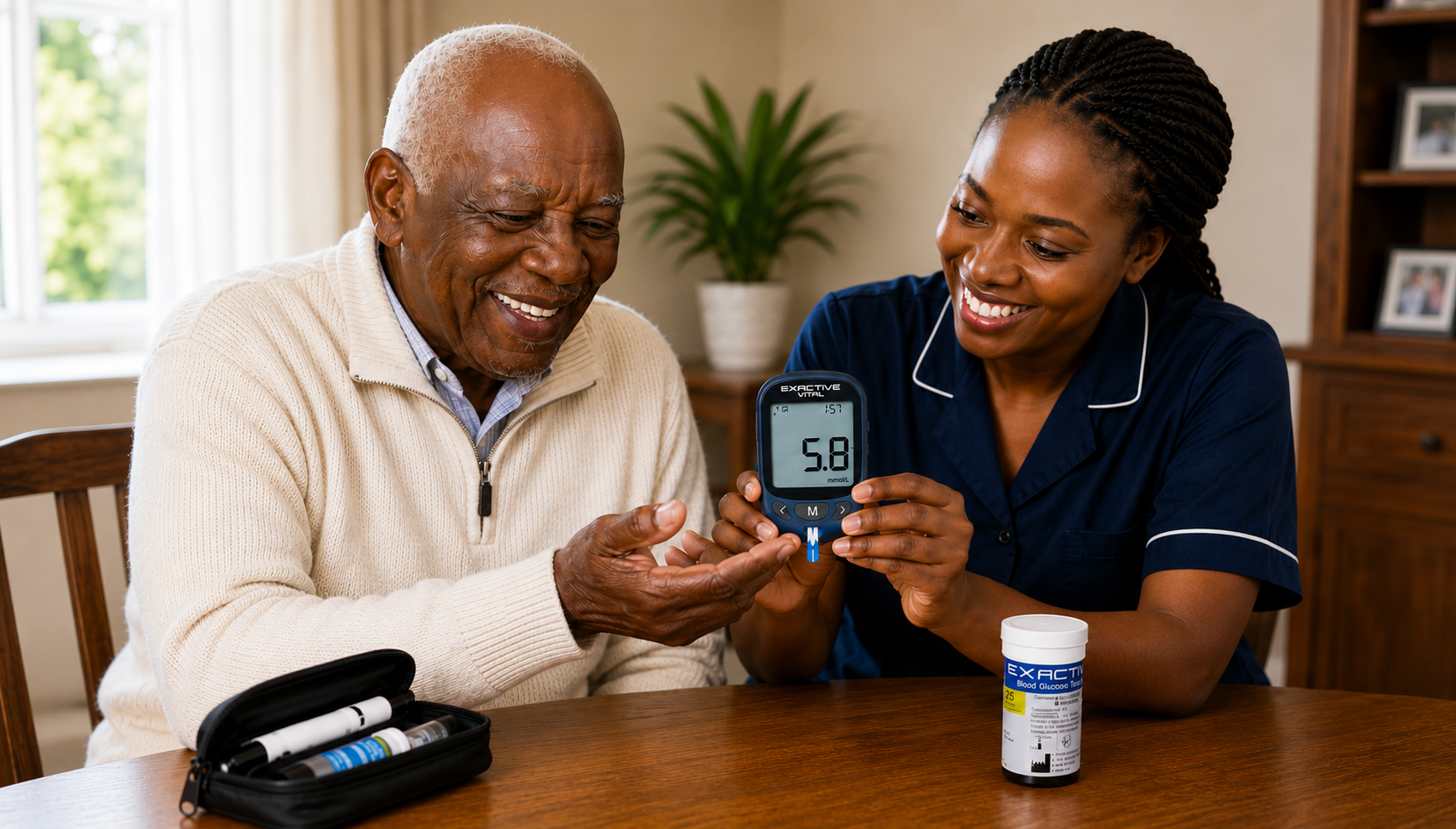
Home blood glucose monitoring devices allow people living with diabetes to check their glucose levels and share the results with their healthcare providers. The frequency and timing of monitoring should be guided by an individual’s treatment plan.
It is important to understand that a home glucometer supports monitoring; it does not replace a comprehensive medical assessment or independently establish a diabetes diagnosis.
World Diabetes Day 2026: The Role of Reliable Diabetes-Care Products
The message of early action cannot be achieved through awareness alone. It also requires access to appropriate diagnostic equipment, monitoring supplies and healthcare services.
Healthcare facilities need reliable diagnostic solutions to support timely testing, while people living with diabetes require suitable monitoring equipment to help them manage their condition.
This is where access to quality diabetes-care products becomes important.
At Lochlabs Limited, we are committed to supporting the Kenyan healthcare sector through the importation and distribution of medical, laboratory and diagnostic products, with a particular focus on diabetes care.
Established in 2013, Lochlabs has developed a strong presence in the medical diagnostics market, supplying products to hospitals, clinics, laboratories, pharmacies, healthcare professionals, distributors and individual customers. Our diabetes-care portfolio includes solutions that support blood glucose monitoring and HbA1c testing.
1. Exactive Vital Blood Glucose Monitoring System
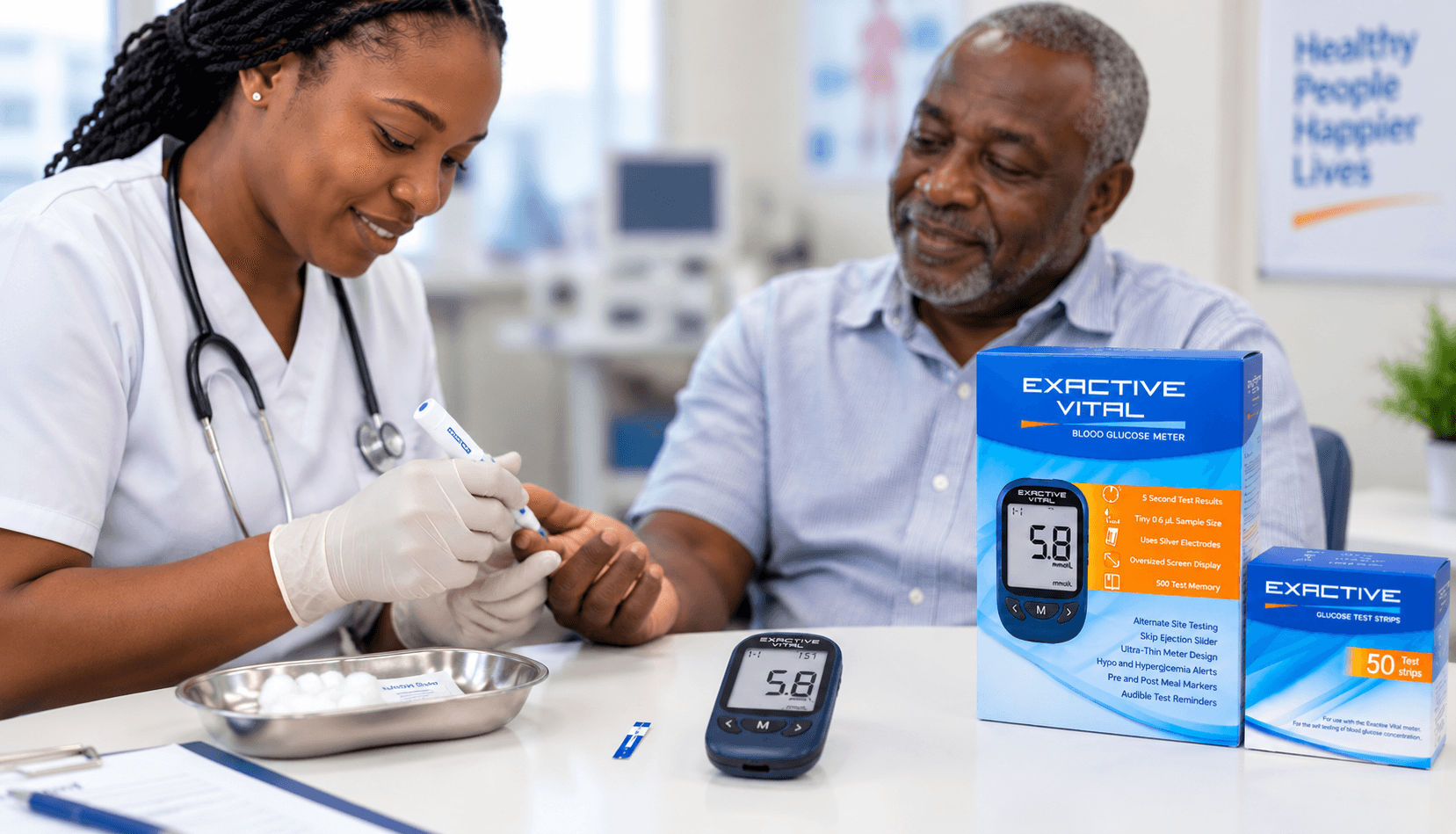
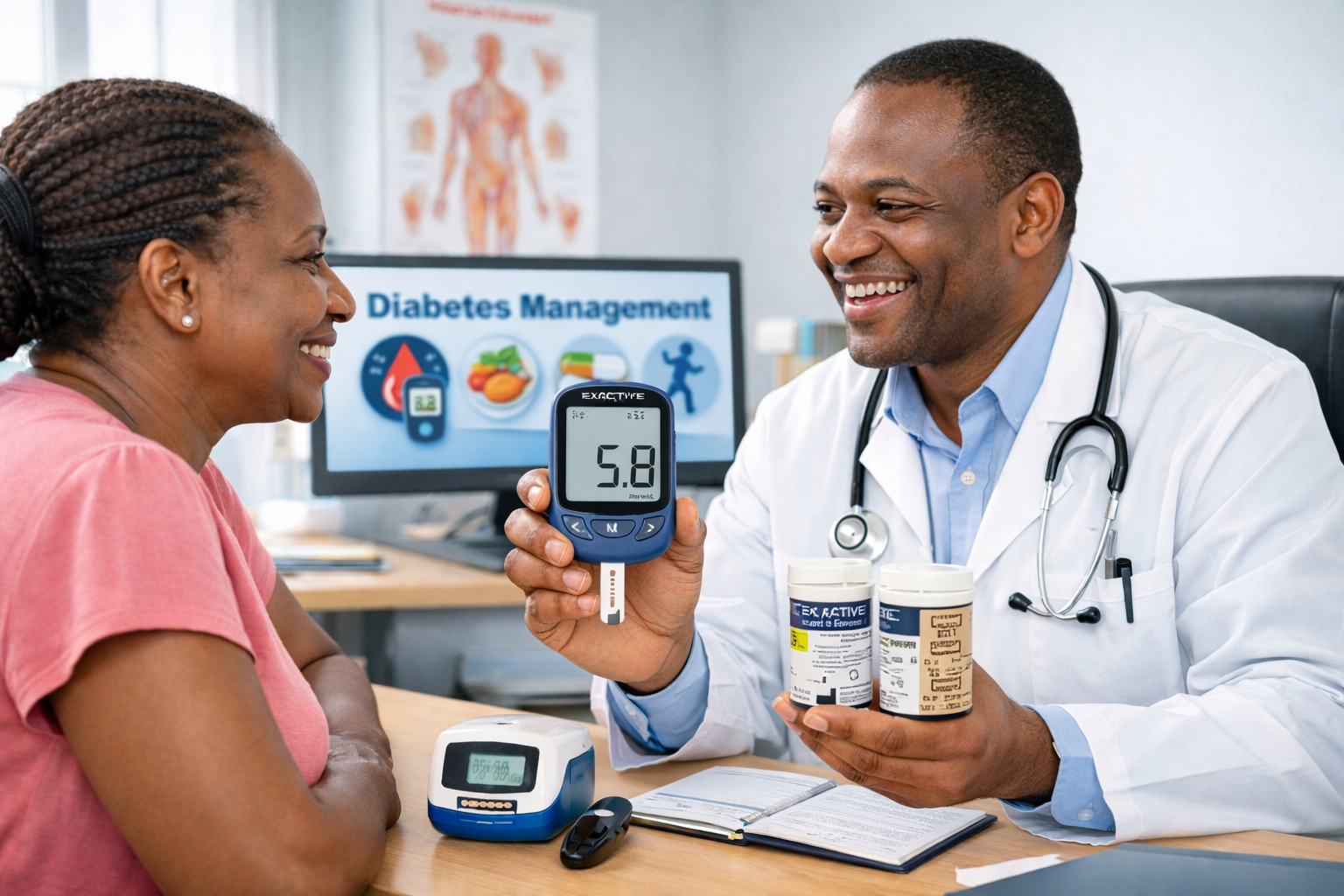
The Exactive Vital Blood Glucose Monitoring System is a handheld glucometer designed to support convenient blood glucose testing and self-monitoring.
It provides results in approximately five seconds and requires a small blood sample of 0.6 microlitres.
Its features include:
- Fast blood glucose readings.
- Easy-to-use handheld design.
- Storage capacity for up to 500 measurements.
- A clear LED display.
- Compatibility with Exactive Vital blood glucose test strips.
For individuals managing diabetes, caregivers and healthcare professionals, having access to a suitable blood glucose monitoring system can support routine monitoring and informed discussions with healthcare providers.
2. Exactive Vital Blood Glucose Test Strips
A blood glucose monitoring system requires compatible test strips to perform measurements.
Lochlabs supplies Exactive Vital test strips in 25-test and 50-test packs, providing customers with access to the consumables required for compatible Exactive Vital monitoring devices.
Using the correct compatible strips and following the manufacturer’s testing instructions are essential for obtaining reliable readings.
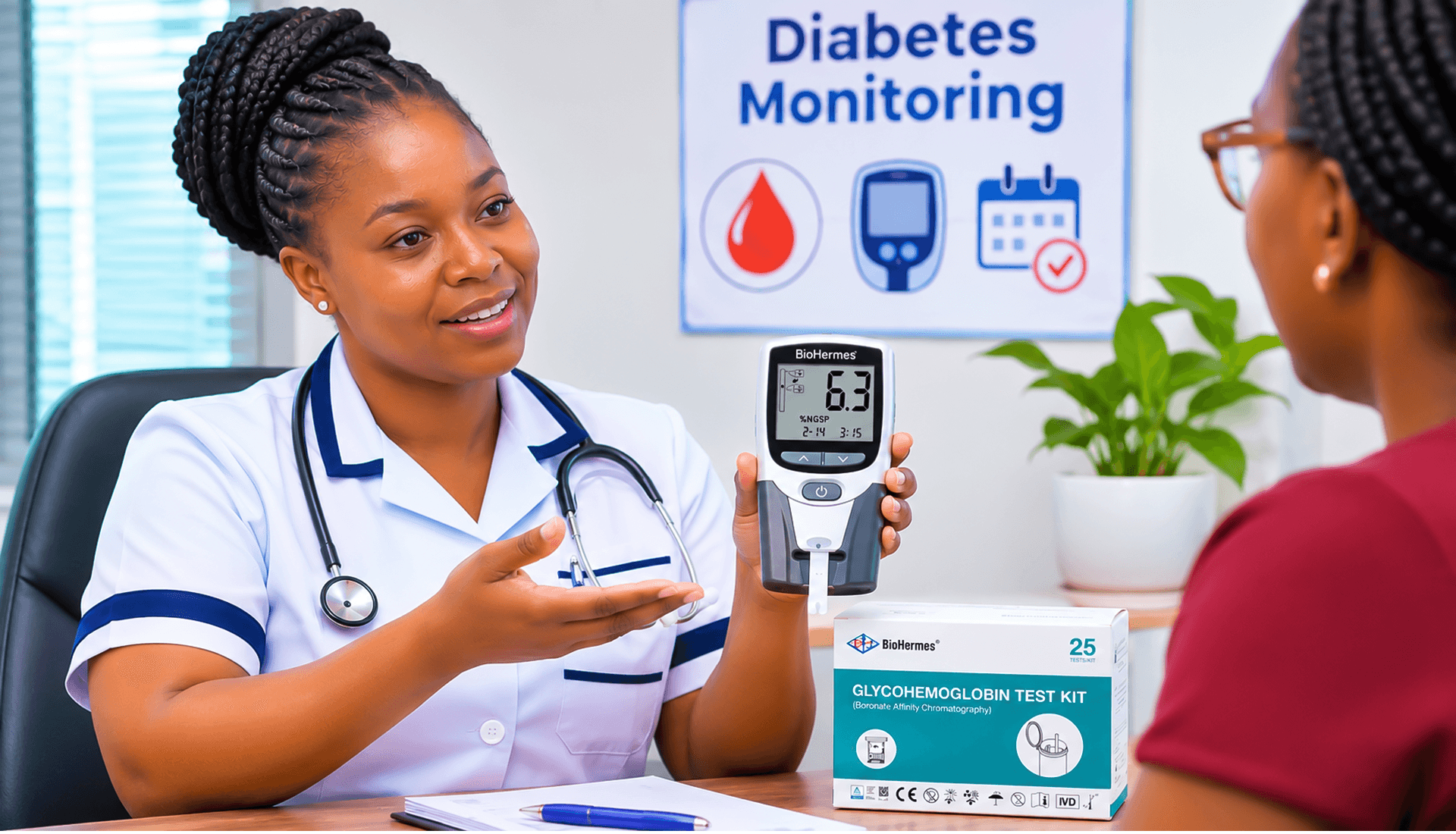
3. Biohemes HbA1c EZ 2.0 Analyzer
HbA1c testing provides information about average blood glucose levels over approximately two to three months.
The Biohemes HbA1c EZ 2.0 Analyzer is a professional-use diagnostic solution designed to support HbA1c testing in healthcare settings.
Its product features include:
- Results in approximately five minutes.
- A small capillary blood sample requirement of approximately 3 microlitres.
- Automated testing functionality.
- Bluetooth, USB and printer connectivity.
- No calibration requirement, according to the manufacturer’s product specifications.
The analyzer is intended for professional use and is not designed for home use.
For healthcare facilities, access to appropriate HbA1c testing technology can support diabetes assessment and ongoing monitoring within established clinical protocols.
4. Mission Cholesterol Monitoring System
Diabetes care also involves assessing other cardiovascular risk factors.
People living with diabetes have an increased risk of cardiovascular disease, making appropriate assessment and management of cholesterol and other risk factors an important part of comprehensive care.
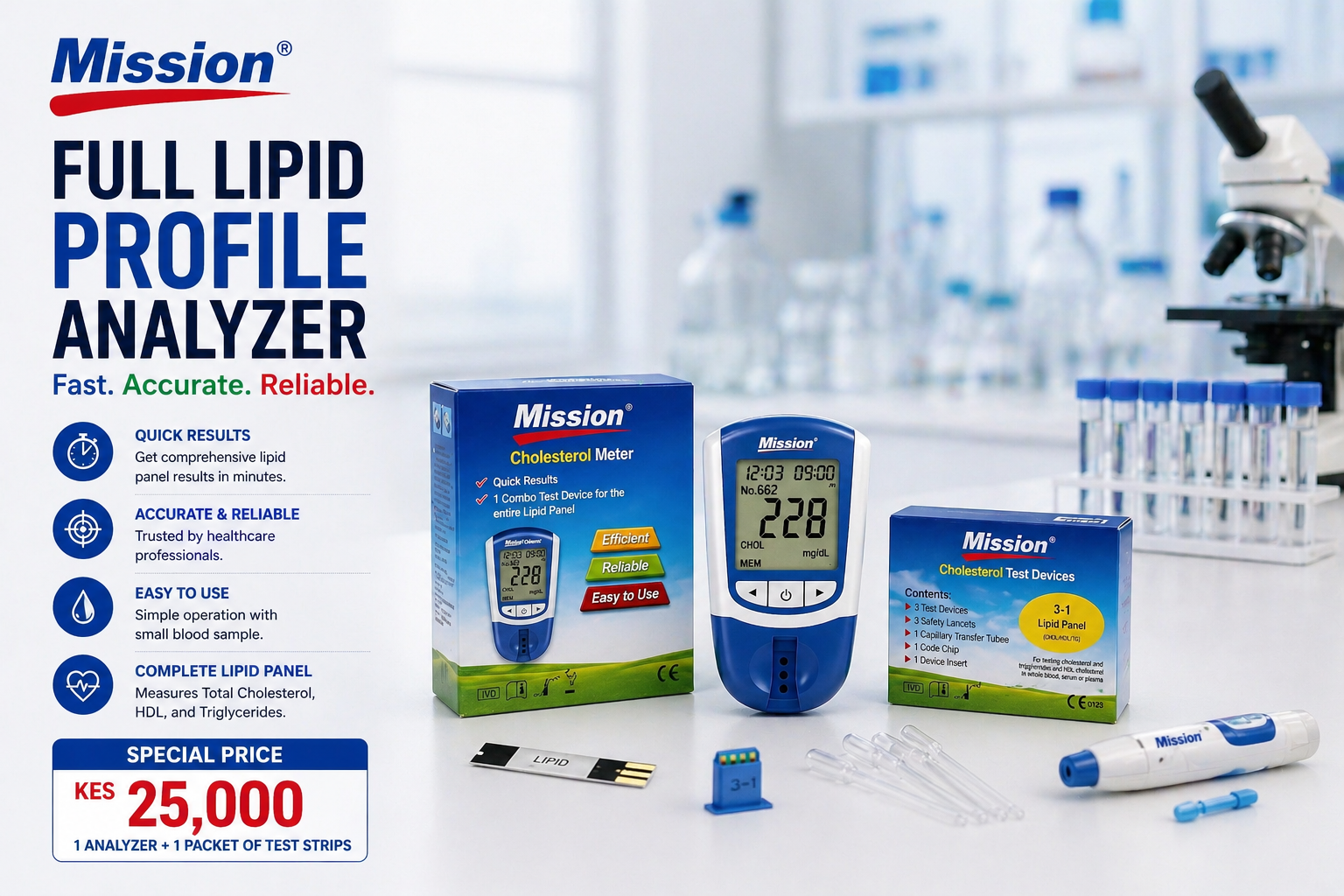
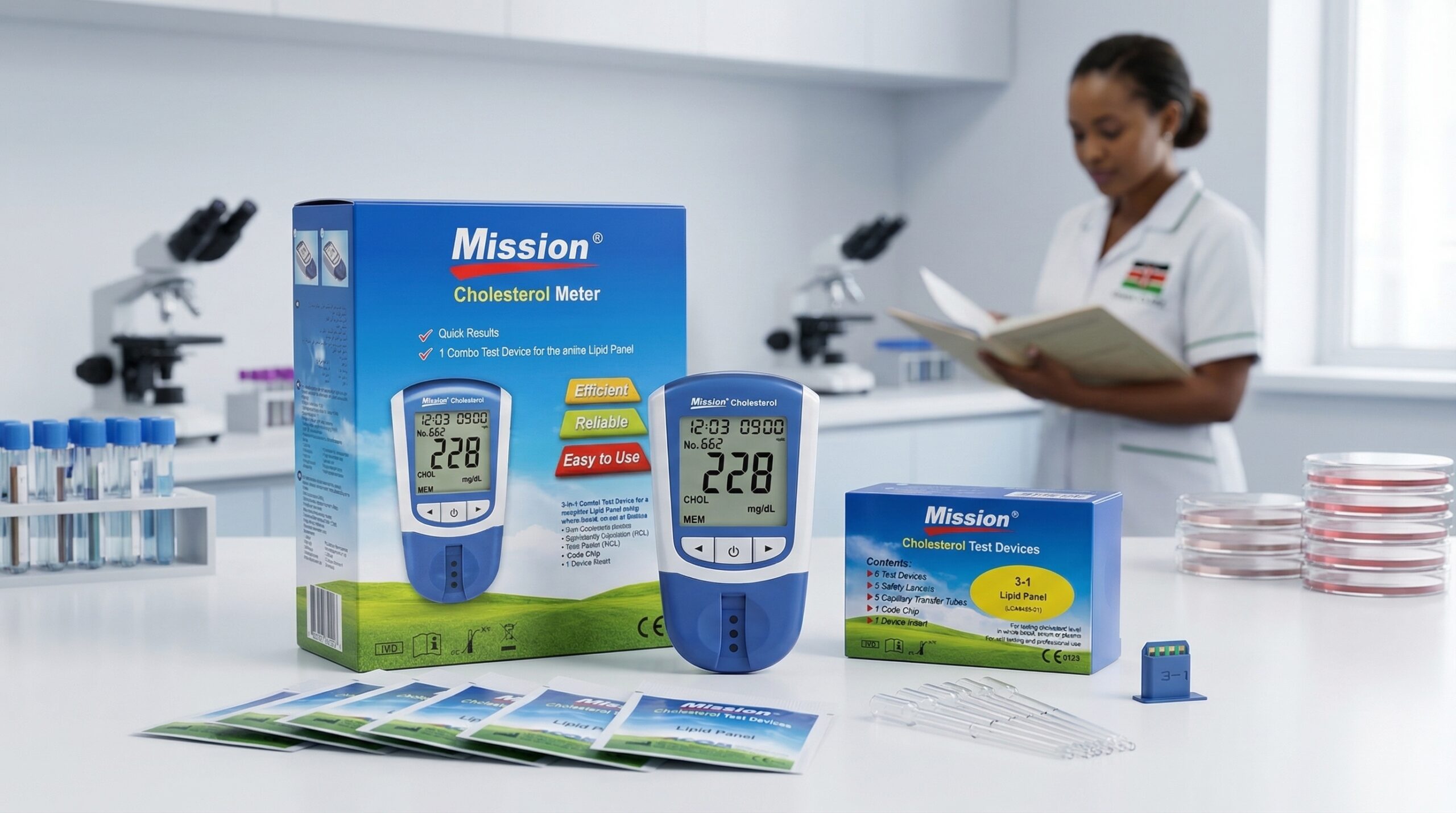
Lochlabs also supplies the Mission Cholesterol Monitoring System, which supports full lipid profile testing.
This provides healthcare professionals with an additional diagnostic tool when assessing cardiovascular health and managing patients’ overall risk profiles.
Beyond Products: The Importance of Awareness, Prevention and Continuous Care
While diagnostic equipment and monitoring products are important, effective diabetes care requires a broader approach.
The World Diabetes Day 2026 campaign encourages individuals, healthcare professionals, communities and policymakers to take practical steps towards early action.
These include:
1. Do Not Wait for Symptoms
Type 2 diabetes can develop without obvious symptoms. People with recognised risk factors should discuss appropriate screening with a healthcare professional rather than waiting until they feel unwell.
2. Adopt Healthier Lifestyle Habits
Regular physical activity, balanced nutrition, maintaining a healthy body weight and avoiding tobacco can help reduce the risk of developing type 2 diabetes.
These measures cannot prevent type 1 diabetes, which is an autoimmune condition.
3. Follow Medical Advice
People diagnosed with diabetes should follow their prescribed treatment plans, attend medical appointments and monitor their blood glucose as advised by their healthcare providers.
4. Make Monitoring Part of Diabetes Management
Regular monitoring, where recommended, helps individuals and their healthcare teams understand glucose patterns and make informed treatment decisions.
5. Encourage Support Instead of Stigma
Living with diabetes should never be a reason for discrimination or judgement. Families, employers, healthcare professionals and communities should create supportive environments that encourage people to seek testing and continue receiving care.
Lochlabs Limited: Supporting Better Access to Diabetes-Care Solutions in Kenya
As World Diabetes Day 2026 reminds us, early action requires more than awareness. It requires access to the right information, timely testing, reliable diagnostic solutions and continuous medical support.
At Lochlabs Limited, we remain committed to supporting healthcare professionals, medical facilities, pharmacies, distributors and individuals through access to quality diabetes-care and diagnostic products.
Our focus on diabetes care reflects our commitment to making appropriate monitoring and diagnostic solutions available within the Kenyan healthcare market.
Whether you are looking for a blood glucose monitoring system for personal use, compatible test strips, professional HbA1c testing equipment or cholesterol monitoring solutions for your healthcare facility, Lochlabs is ready to assist.
This World Diabetes Day, take the message seriously: Know the risks. Get tested. Monitor your health. Act early.
Place Your Order for Diabetes-Care Products Today
Looking for reliable diabetes-care products in Kenya?
Explore the Lochlabs Limited product range and get in touch with our team for product information, pricing, availability, individual purchases and bulk orders.
Available products include:
- Exactive Vital Blood Glucose Monitoring System.
- Exactive Vital Test Strips (25s and 50s).
- Biohemes HbA1c EZ 2.0 Analyzer and compatible test strips.
- Mission Cholesterol Monitoring System and compatible test devices.
Contact Lochlabs Limited
- Website: https://lochlabs.com/
- Shop Our Products: https://lochlabs.com/our-products/
- Call / WhatsApp: +254 720 952 727
- Email: info@lochlabs.com
- Location: Abacus House, 3rd Floor, Baba Dogo Road, Nairobi, Kenya.
Medical Disclaimer: This article is intended for general health education and product information only. It does not replace professional medical advice, diagnosis, or treatment. Always consult a qualified healthcare professional for medical guidance. Diabetes monitoring devices should be used according to their approved intended use and the manufacturer’s instructions.