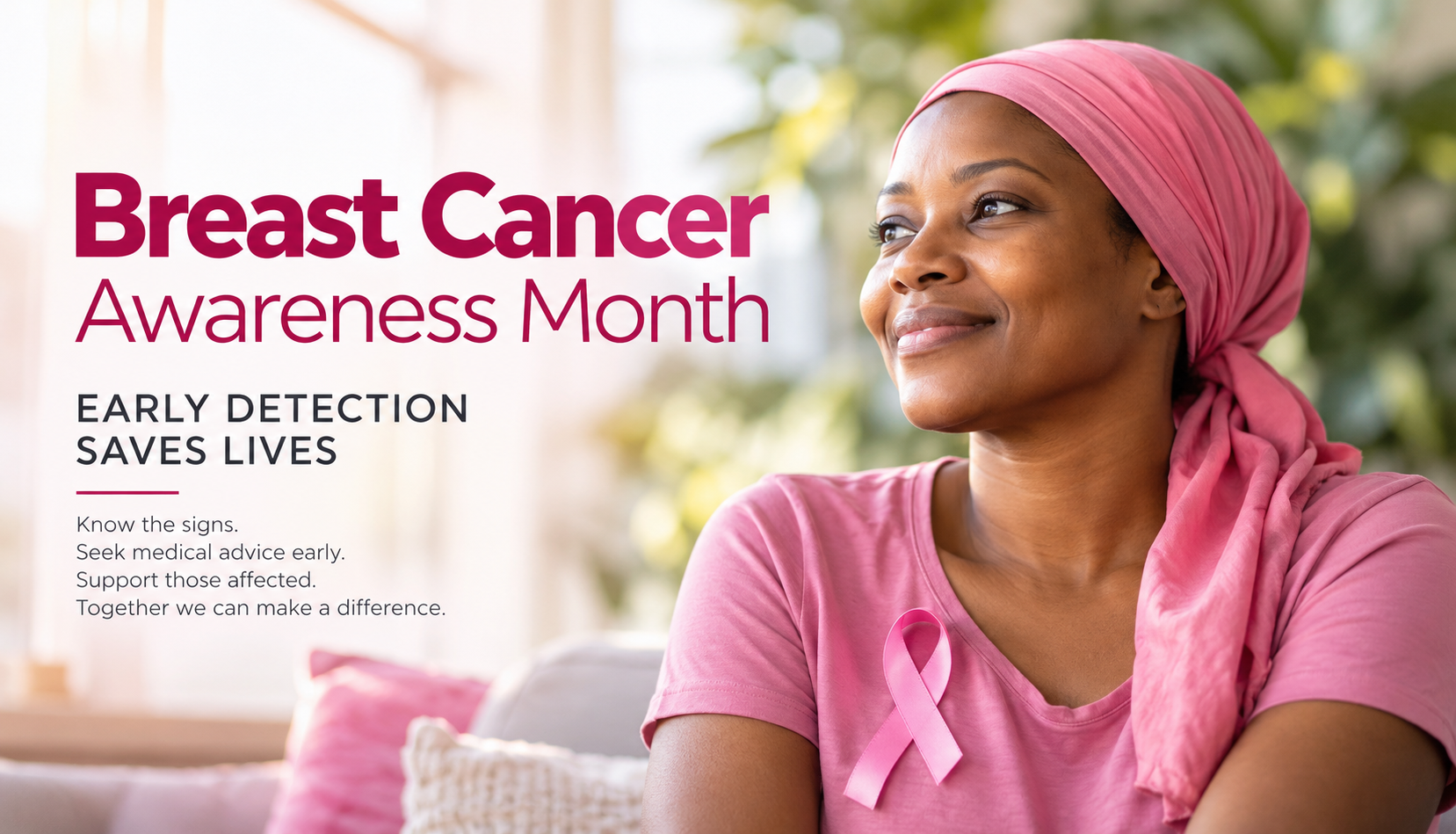
Every October, Breast Cancer Awareness Month reminds us of the importance of understanding cancer, recognizing potential warning signs, and taking proactive steps towards better health. It is a time to encourage open conversations, challenge misconceptions, support those affected by cancer, and remind individuals and families that early medical attention can make a meaningful difference.
At Lochlabs Limited, we believe that access to reliable health information and growing awareness of healthcare innovations are important parts of building a healthier future. This month, we join the wider awareness effort by sharing facts about breast cancer, its warning signs, risk factors, and the importance of timely medical evaluation.
Understanding Breast Cancer
Breast cancer develops when abnormal cells in the breast grow uncontrollably and form a tumour. If not treated, some breast cancers can spread to other parts of the body.
Breast cancer affects people worldwide. Although it occurs predominantly in women, men can also develop the disease. According to the World Health Organization (WHO), approximately 2.4 million women were diagnosed with breast cancer globally in 2024, and the disease caused an estimated 694,000 deaths that year.
These figures highlight why awareness, early diagnosis, access to appropriate treatment, and continued public education remain essential.
Why Early Detection Matters
Early detection can improve the chances of successful breast cancer treatment. When cancer is identified before it has spread extensively, treatment is often more effective and outcomes can be better.
Early detection involves two important approaches:
- Recognizing symptoms early: Understanding what changes to look for and seeking medical advice promptly.
- Appropriate screening: Attending recommended screening services based on age, personal risk factors, medical history, and professional guidance.
It is important to understand that screening recommendations vary. Not everyone needs the same test at the same age, and screening does not replace medical evaluation when symptoms are present.
Recognizing the Warning Signs
Breast cancer does not always cause noticeable symptoms in its earliest stages. However, certain changes should never be ignored.
Potential warning signs include:
- A new lump or thickening in the breast or underarm.
- A change in the size, shape, or appearance of a breast.
- Dimpling, redness, swelling, or other unusual changes in breast skin.
- A newly inverted nipple or a change in nipple appearance.
- Unusual nipple discharge, particularly discharge containing blood.
- Persistent or unusual changes affecting the breast or nipple area.
Important: Most breast lumps are not cancerous. However, any new or unusual breast change should be assessed by a qualified healthcare professional. Do not wait for a lump to become painful before seeking medical advice.
Understanding the Risk Factors
Breast cancer can affect people with no known risk factors. Having a risk factor does not mean someone will develop cancer, and not having a family history does not eliminate the possibility of developing the disease.
Factors associated with an increased risk include:
- Increasing age.
- A family history of breast cancer or certain inherited genetic changes, including BRCA1 and BRCA2.
- Certain reproductive and hormonal factors.
- Excess body weight, particularly after menopause.
- Alcohol consumption.
- Previous exposure to radiation in certain circumstances.
Some risk factors cannot be changed, while others may be modified. Maintaining a healthy lifestyle can help reduce certain risks, but no lifestyle choice can guarantee that cancer will be prevented.
Practical Steps Towards Better Breast Health
This Breast Cancer Awareness Month, consider taking the following steps:
1. Know what is normal for your body. Become familiar with the usual appearance and feel of your breasts so that unusual changes are easier to notice.
2. Seek professional medical advice. If you notice a new lump, nipple change, unusual discharge, or another persistent breast change, arrange a medical assessment promptly.
3. Ask about appropriate screening. Speak with a healthcare professional about whether breast cancer screening is recommended for you and how frequently it should be performed.
4. Make informed lifestyle choices. Avoid tobacco, limit or avoid alcohol, remain physically active, and maintain a balanced diet and healthy body weight where possible.
5. Share accurate information. Encourage friends, relatives, and colleagues to learn about breast health and seek reliable medical advice instead of relying on myths or unverified remedies.
6. Support people affected by cancer. A cancer diagnosis can affect a person’s physical, emotional, social, and financial well-being. Compassion, practical assistance, and access to appropriate care can make a meaningful difference.
Beyond Breast Cancer: A Wider Call for Cancer Awareness
Although October places a special focus on breast cancer, cancer awareness is important throughout the year.
Other cancers, including cervical, prostate, colorectal, lung, and oesophageal cancers, also affect communities across Kenya. Each has its own risk factors, warning signs, and recommended approaches to prevention and early detection.
Some cancers are associated with infections that can be prevented through recommended vaccination. For example, vaccination against human papillomavirus (HPV) can help prevent HPV-related cervical cancer, while hepatitis B vaccination can reduce the risk of hepatitis B-related liver cancer.
Cancer prevention and control require continued public education, appropriate screening, timely diagnosis, access to evidence-based treatment, and support for patients and their families.
Lochlabs Limited: Supporting a More Informed Approach to Health
At Lochlabs Limited, we recognize the importance of healthcare innovation, reliable information, and informed decision-making in today’s evolving healthcare environment.
Through our engagement with healthcare technologies, we are interested in solutions that can help people and healthcare stakeholders better understand and manage health. We believe that innovation should go hand in hand with responsible communication, appropriate clinical guidance, and a commitment to patient well-being.
As we mark Breast Cancer Awareness Month, we encourage our community to learn, ask questions, seek professional medical advice when necessary, and share accurate health information with others.
Our message is simple: awareness matters, early medical attention matters, and access to appropriate care matters.
A Message of Hope and Action
Cancer can be a difficult subject to discuss, but silence and fear should never prevent someone from seeking medical attention.
Not every symptom means cancer, and a cancer diagnosis does not mean that hope is lost. Many cancers can be treated successfully, particularly when detected early and managed with appropriate care.
This October, let us move beyond wearing pink and make awareness meaningful through education, timely medical assessment, compassionate support, and informed health decisions.
Know the signs. Ask the questions. Seek care early. Share the knowledge.
Together, we can help build a more informed and health-conscious community.
Medical Disclaimer
This article is intended for general educational purposes only and does not replace professional medical advice, diagnosis, or treatment. If you notice unusual breast changes or have concerns about your cancer risk, consult a qualified healthcare professional. Screening recommendations should be based on individual circumstances and applicable clinical guidelines.
References
- World Health Organization (WHO) — Breast Cancer Fact Sheet
- National Cancer Institute of Kenya — Cancer Awareness
- World Health Organization (WHO) — Cancer Fact Sheet
Lochlabs Limited | Health Awareness • Innovation • Informed Decisions