Diabetes management goes beyond taking medication, following a healthy diet, and attending routine medical appointments. One of the most important aspects of effective diabetes care is regular monitoring of blood glucose levels, which helps individuals and healthcare professionals understand how well blood sugar is being managed over time.
For people living with diabetes, knowing their blood glucose levels is essential for making informed daily decisions about meals, physical activity, medication, and overall health. Regular monitoring can help identify blood sugar fluctuations, detect potentially dangerous episodes of low or high blood glucose, and support timely adjustments to diabetes management plans.
Two important approaches to monitoring diabetes are Blood Glucose Monitoring (BGM) and Glycated Haemoglobin (HbA1c) testing. Although these methods measure different aspects of glucose control, they complement each other in providing a more comprehensive understanding of diabetes management.
At Lochlabs Limited, we recognize the importance of accessible, dependable diagnostic technologies in supporting diabetes care. Through our diabetes monitoring product portfolio, including the Exactive Vital Blood Glucose Monitoring System and the Biohemes HbA1c EZ 2.0 Analyzer, we support individuals, healthcare providers, hospitals, clinics, pharmacies, and laboratories with practical solutions for monitoring blood glucose and assessing longer-term glycaemic control.
Understanding Diabetes Self-Monitoring
Diabetes is a chronic metabolic condition characterized by elevated blood glucose levels resulting from insufficient insulin production, ineffective insulin action, or both.
When blood glucose remains consistently elevated, it can contribute to serious health complications affecting the heart, kidneys, eyes, nerves, and blood vessels.
Effective diabetes management therefore requires more than controlling symptoms. It involves understanding glucose patterns, assessing treatment effectiveness, and working towards individualized blood glucose targets.
Diabetes self-monitoring refers to the active involvement of individuals in tracking relevant aspects of their condition, particularly blood glucose levels, to support informed day-to-day management.
Self-monitoring helps people living with diabetes understand how their bodies respond to food, exercise, medication, illness, stress, and other factors that influence glucose levels.
However, monitoring is most effective when the results are reviewed, interpreted correctly, and used alongside guidance from qualified healthcare professionals.
1. Blood Glucose Monitoring (BGM): Understanding Your Blood Sugar Levels Daily
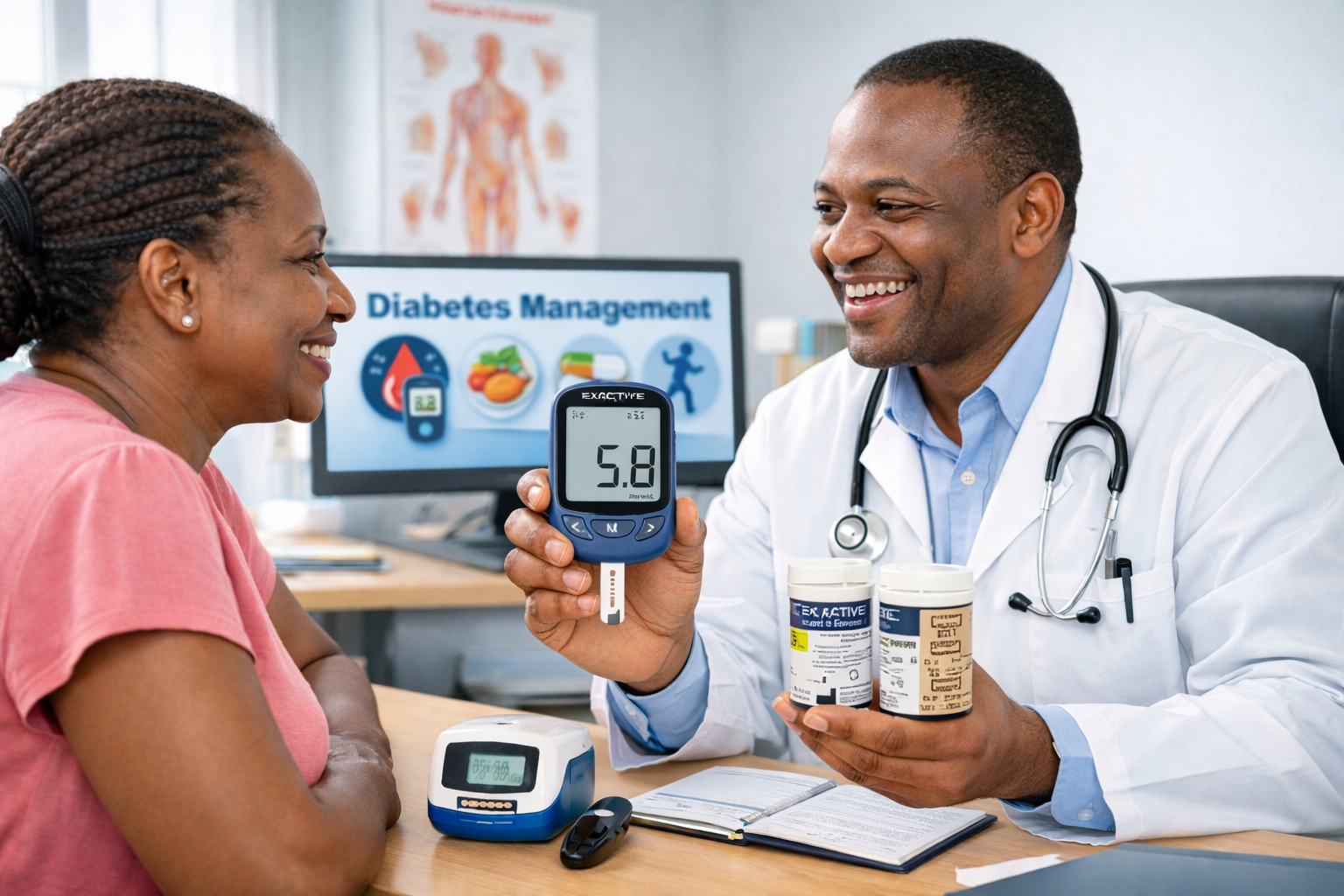
Blood Glucose Monitoring, commonly referred to as BGM, involves measuring the concentration of glucose in the blood using a blood glucose meter, also known as a glucometer.
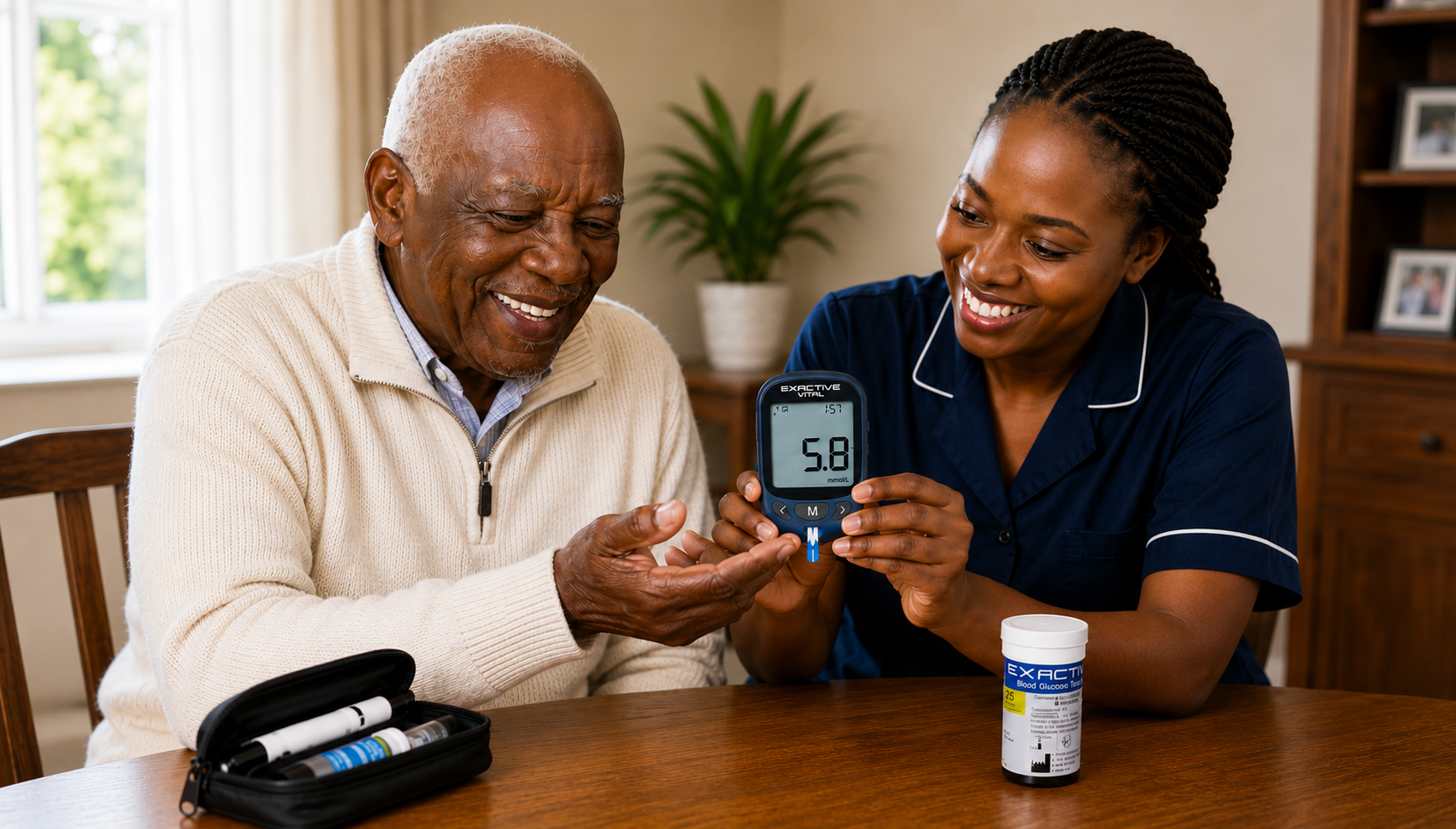
Most conventional blood glucose meters use a small sample of capillary blood, usually obtained through a finger prick, to provide a reading of the individual’s blood glucose level at the time of testing.
Unlike HbA1c testing, which reflects average blood glucose over several months, BGM provides immediate information about current glucose levels.
This makes it particularly useful for day-to-day diabetes management.
Why Is Regular Blood Glucose Monitoring Important?
1. Identifying high and low blood glucose levels
Blood glucose levels can fluctuate throughout the day. Monitoring helps identify hyperglycaemia (high blood glucose) and hypoglycaemia (low blood glucose), allowing appropriate action to be taken.
Low blood glucose can be particularly dangerous for individuals using insulin or certain glucose-lowering medications.
2. Understanding the effects of food and physical activity
Different meals and activities can affect blood glucose differently. Monitoring before or after meals and around physical activity can help individuals recognize patterns and make informed lifestyle decisions.
3. Supporting medication management
Blood glucose readings provide valuable information that healthcare professionals can use when reviewing diabetes treatment plans.
Individuals using insulin may need more frequent monitoring to guide safe treatment decisions according to their prescribed care plans.
4. Tracking glucose patterns over time
Recording readings consistently helps identify recurring fluctuations, including elevated morning glucose levels or increases after particular meals.
5. Supporting long-term diabetes care
When combined with appropriate treatment, diabetes education, and professional follow-up, effective glucose monitoring can support better glycaemic management and reduce the risk of complications associated with persistently uncontrolled diabetes.
2. Exactive Vital Blood Glucose Monitoring System: Supporting Everyday Diabetes Self-Monitoring
Having access to a practical and easy-to-use blood glucose meter is an important part of diabetes self-management.
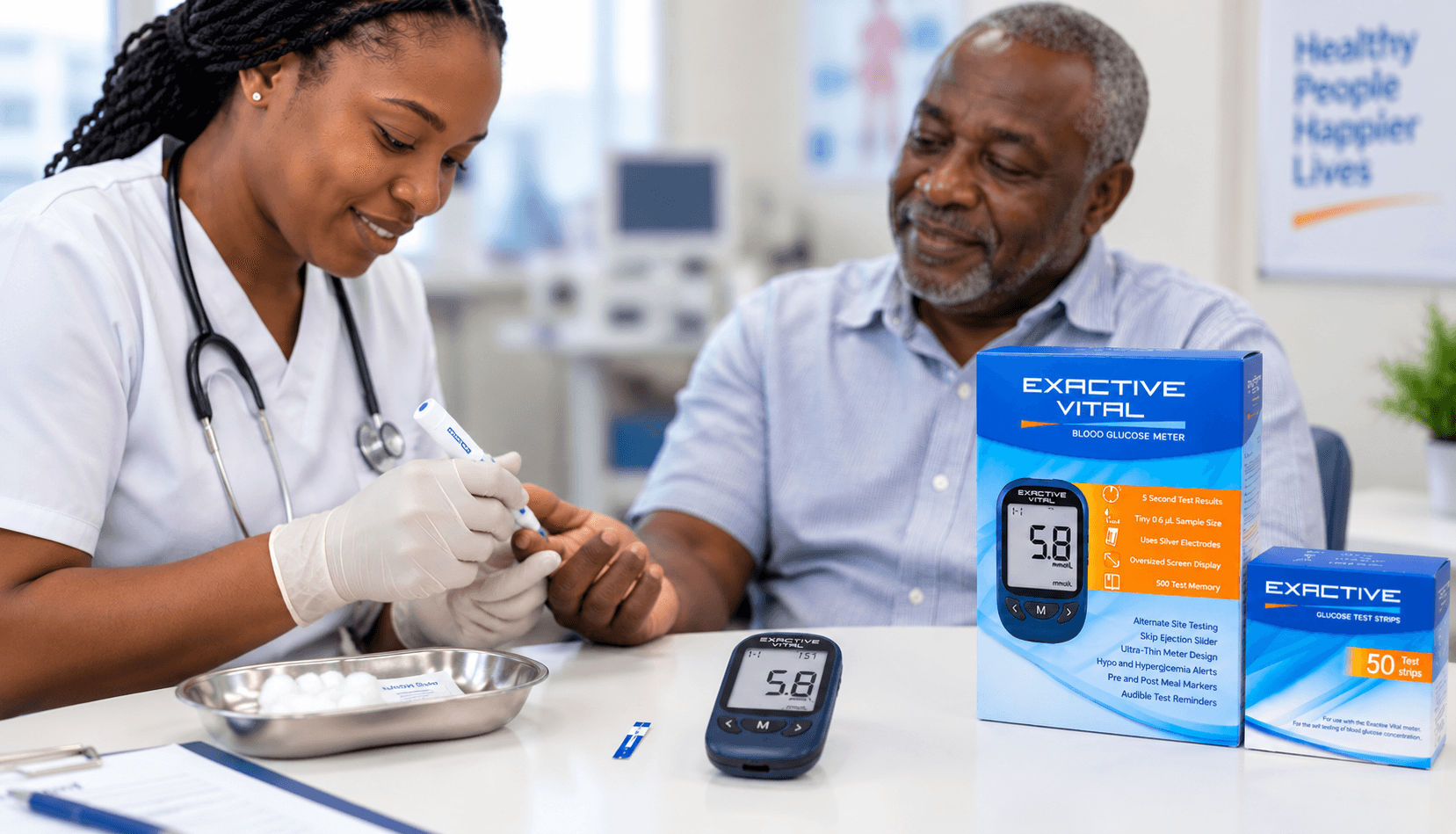
The Exactive Vital Blood Glucose Monitoring System, manufactured by Microtech Medical Inc. and supplied in Kenya through Lochlabs Limited, is designed for convenient blood glucose testing.
The system provides individuals and healthcare professionals with a handheld solution for measuring blood glucose levels at home and in appropriate healthcare settings.
Key Features of the Exactive Vital Glucometer
Fast results in approximately 5 seconds
The Exactive Vital glucometer delivers blood glucose readings in approximately five seconds, making routine testing convenient.
Small blood sample requirement
The system requires approximately 0.6 microlitres (µL) of blood per test, helping minimize the amount of blood needed for testing.
Clear LED display
The meter features an LED screen designed to make blood glucose readings easy to view.
Memory capacity of up to 500 readings
Exactive Vital can store up to 500 measurements, allowing users to review previous readings and discuss glucose trends with their healthcare providers.
Audible testing reminder
The system includes an audible reminder feature to help users maintain their recommended testing routines.
Alternate-site testing capability
Exactive Vital supports alternate-site testing according to the manufacturer’s instructions. However, fingertip testing is generally preferred when blood glucose levels may be changing rapidly or hypoglycaemia is suspected.
Dedicated Exactive Vital test strips
The glucometer is designed for use with compatible Exactive Vital Blood Glucose Test Strips. Using the correct strips is essential for proper system operation.
Exactive Vital Test Strips: An Essential Part of Routine Monitoring
Blood glucose test strips are a critical component of the monitoring process.
Each Exactive Vital test strip works with the compatible meter to measure glucose from a small blood sample.
For dependable testing, users should always:
- Use genuine Exactive Vital test strips compatible with their meter.
- Check the expiry date before testing.
- Store strips according to the manufacturer’s instructions.
- Avoid using damaged or improperly stored strips.
- Follow the correct testing procedure provided in the user manual.
- Use a new strip for every test.
Lochlabs Limited supplies Exactive Vital Blood Glucose Test Strips in 25-strip and 50-strip pack options, supporting different monitoring needs.
How to Use a Blood Glucose Meter Correctly
For routine fingertip blood glucose testing, the general process involves:
- Wash your hands with soap and water, then dry them thoroughly.
- Insert a compatible test strip into the blood glucose meter as instructed.
- Use a sterile lancet and lancing device to obtain a small blood sample from the fingertip.
- Apply the blood sample to the designated area of the test strip.
- Wait for the meter to display the blood glucose reading.
- Record the result, including relevant information such as the time of testing, meals, medication, or symptoms.
- Dispose of the used lancet safely in an appropriate sharps container and discard the used strip.
Always follow the Exactive Vital manufacturer’s instructions, as device-specific procedures may vary.
How Often Should Blood Glucose Be Checked?
There is no single testing schedule suitable for everyone living with diabetes.
The recommended frequency depends on factors such as the type of diabetes, treatment plan, use of insulin, risk of hypoglycaemia, and individual glucose management goals.
Healthcare professionals may recommend monitoring:
- Before meals or when fasting.
- One to two hours after the beginning of a meal.
- Before bedtime.
- Before, during, or after physical activity when appropriate.
- When symptoms of low or high blood glucose occur.
- During illness or changes in medication.
- Before driving when there is a risk of hypoglycaemia.
Individuals using insulin often require more frequent monitoring than those managing type 2 diabetes without insulin.
For people who are not using insulin or medications that cause hypoglycaemia, the benefits and frequency of routine finger-prick testing should be individualized.
Important: Blood glucose monitoring should follow a personalized plan developed with a qualified healthcare professional. Users should not independently change prescribed medication doses based solely on isolated readings unless they have been trained and given an appropriate treatment adjustment plan.
3. HbA1c Testing: Understanding Long-Term Blood Glucose Control
While routine blood glucose monitoring provides valuable information about current glucose levels, it does not independently provide a complete picture of long-term diabetes control.
This is where HbA1c testing becomes important.
HbA1c, also known as glycated haemoglobin or A1c, measures the proportion of haemoglobin in red blood cells that has glucose attached to it.
Because red blood cells circulate for approximately 120 days, the HbA1c result reflects average blood glucose exposure over roughly the preceding two to three months, with more recent weeks contributing more strongly.
Unlike routine finger-prick glucose testing, HbA1c does not measure the blood glucose level at the exact moment of testing.
Instead, it provides an overview of longer-term glycaemic control.
Why Is HbA1c Testing Important?
1. Assessing long-term glucose management
HbA1c provides an indication of how well blood glucose has been managed over the preceding months.
2. Evaluating treatment effectiveness
Healthcare professionals use HbA1c results to assess whether the current diabetes management plan is helping achieve individualized treatment goals.
3. Supporting clinical decision-making
HbA1c results, considered alongside blood glucose readings and other clinical information, help clinicians determine whether treatment adjustments may be necessary.
4. Assessing the risk associated with sustained hyperglycaemia
Higher HbA1c levels are generally associated with an increased risk of certain diabetes-related complications. Improving glycaemic control can help reduce these risks.
5. Supporting diabetes diagnosis in appropriate settings
HbA1c may also be used to diagnose diabetes when testing is performed using a suitable, appropriately validated method and relevant diagnostic standards are met.
However, not every point-of-care HbA1c analyzer is approved or suitable for diagnostic use, and some medical conditions can affect HbA1c accuracy.
Understanding HbA1c Results
HbA1c results are commonly expressed as percentages.
For diabetes screening and diagnosis in appropriate nonpregnant populations, the following thresholds are widely recognized:
| HbA1c Result | Interpretation |
|---|---|
| Below 5.7% | Normal range |
| 5.7%–6.4% | Prediabetes range |
| 6.5% or above | Diabetes range, subject to appropriate confirmation |
These are diagnostic thresholds, not treatment targets for everyone already living with diabetes.
For many nonpregnant adults with diabetes, an HbA1c target below 7% is commonly recommended. However, targets must be individualized based on age, health status, risk of hypoglycaemia, pregnancy, and other clinical factors.
Certain conditions, including anaemia, haemoglobin variants, recent blood transfusions, and disorders affecting red blood cell lifespan, may influence HbA1c results.
How Often Should HbA1c Be Tested?
According to the American Diabetes Association’s 2026 Standards of Care, glycaemic status should generally be assessed:
- At least twice per year for people with diabetes whose glucose levels are stable and within their individualized treatment targets.
- Approximately every three months for individuals whose treatment has recently changed, whose glucose levels are not meeting targets, or whose clinical circumstances require closer assessment.
The exact schedule should be determined by a healthcare professional.
4. Biohemes HbA1c EZ 2.0 Analyzer: Supporting Professional HbA1c Testing
Access to point-of-care diagnostic technologies can help healthcare professionals obtain relevant results during clinical consultations.
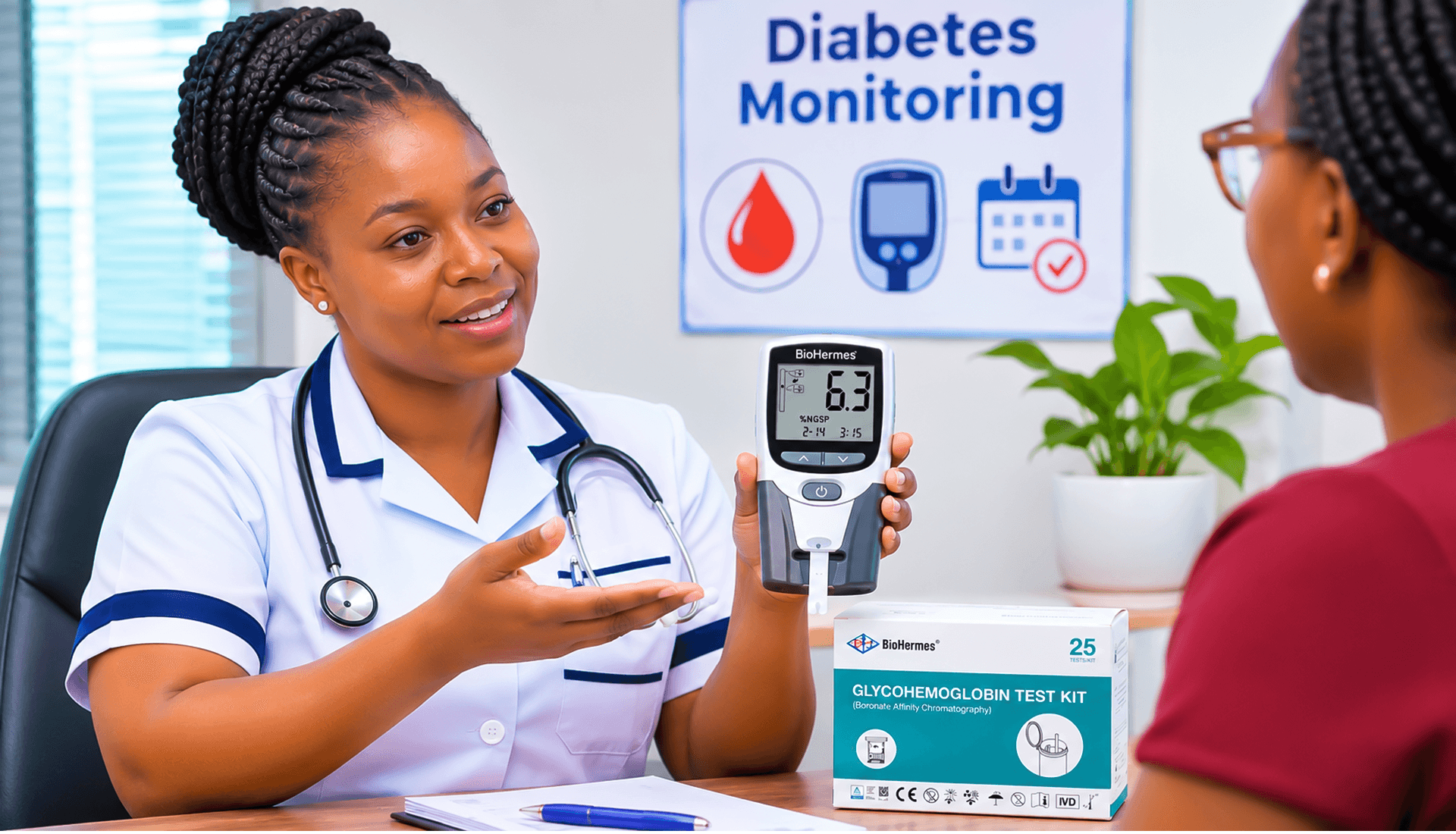
The Biohemes HbA1c EZ 2.0 Analyzer, available through Lochlabs Limited, is a point-of-care HbA1c testing system designed for professional healthcare use.
The analyzer provides a practical option for healthcare facilities seeking to incorporate HbA1c assessment into diabetes monitoring services.
Key Features of the Biohemes HbA1c EZ 2.0 Analyzer
Results in approximately 5 minutes
The analyzer is designed to deliver HbA1c results in approximately five minutes, supporting timely clinical assessment.
Small blood sample requirement
The system uses approximately 3 microlitres (µL) of capillary blood for testing.
Point-of-care HbA1c assessment
The analyzer enables healthcare professionals to assess longer-term glycaemic control without necessarily waiting for results from a separate central laboratory workflow.
Voice-guided operation
The device includes voice prompts to assist operators during the testing process.
Connectivity options
The system supports Bluetooth, USB, and printer connectivity, providing options for managing and documenting test results.
No routine user calibration required
According to the published product specifications, the analyzer does not require user calibration. Operators must still follow the manufacturer’s quality control and maintenance requirements.
Designed for professional use
Unlike the Exactive Vital glucometer, which is suitable for self-monitoring, the Biohemes HbA1c EZ 2.0 Analyzer is intended for use by trained healthcare professionals.
Biohemes HbA1c EZ 2.0 Test Strips
The Biohemes HbA1c EZ 2.0 Analyzer operates with its corresponding HbA1c test strips.
These consumables form part of the testing system used to assess glycated haemoglobin.
Healthcare facilities should use only the compatible strips specified for the analyzer and follow the manufacturer’s instructions for sample collection, handling, storage, quality control, and testing.
Lochlabs Limited supplies both the Biohemes HbA1c EZ 2.0 Analyzer and its compatible test strips, helping healthcare facilities access the equipment and consumables required for ongoing HbA1c testing.
Healthcare providers should also verify the analyzer’s applicable regulatory status, approved intended use, and diagnostic suitability before using its results for diabetes diagnosis.
5. Blood Glucose Monitoring vs. HbA1c Testing: What Is the Difference?
Although both methods are important in diabetes care, they serve different purposes.
| Feature | Blood Glucose Monitoring (BGM) | HbA1c Testing |
|---|---|---|
| What it measures | Blood glucose at the time of testing | Average glucose exposure over approximately 2–3 months |
| Primary purpose | Day-to-day glucose monitoring | Longer-term glycaemic assessment |
| Typical testing location | Home or healthcare facility | Clinic, hospital, or laboratory |
| Testing frequency | Individualized; may be multiple times daily | Commonly every 3–6 months |
| Lochlabs product | Exactive Vital Glucometer | Biohemes HbA1c EZ 2.0 Analyzer |
| Main users | People with diabetes, caregivers, healthcare professionals | Trained healthcare professionals |
Why Both Tests Matter
A person may have an HbA1c result within their individualized target range but still experience significant fluctuations in daily blood glucose levels.
Similarly, an individual may obtain a normal glucose reading at a particular moment while having elevated average glucose levels over several months.
This demonstrates why a single blood glucose reading cannot replace HbA1c assessment and why HbA1c alone cannot identify every episode of hypoglycaemia or hyperglycaemia.
BGM helps answer: “What is my blood glucose level right now?”
HbA1c helps answer: “How has my average blood glucose been managed over the past few months?”
Together, these methods provide complementary information that supports more informed diabetes management.
6. Building an Effective Diabetes Monitoring Routine
Effective self-monitoring involves more than simply obtaining readings. It requires understanding the results and using them appropriately.
People living with diabetes can strengthen their monitoring routines through several practical approaches.
Establish a Personalized Testing Schedule
Work with a healthcare professional to determine when and how frequently blood glucose should be checked.
Keep a Record of Results
Use a monitoring logbook, device memory, or another suitable recording method to track readings and identify patterns.
Understand Your Individual Targets
Blood glucose and HbA1c targets differ between individuals. Understanding personal targets helps make monitoring more meaningful.
Use Compatible and Properly Stored Testing Supplies
The quality and suitability of test strips matter. Always use the correct strips for the meter or analyzer and observe the recommended storage conditions.
Attend Regular Clinical Reviews
Routine healthcare appointments allow professionals to review glucose records, HbA1c results, medication effectiveness, and other important aspects of diabetes care.
Respond Appropriately to Abnormal Readings
Individuals should have a clear healthcare-professional-approved plan for responding to low or high glucose readings.
A glucose level below 3.9 mmol/L (70 mg/dL) is generally considered hypoglycaemia and requires prompt attention. Severe symptoms such as confusion, seizures, or loss of consciousness require emergency assistance.
Persistently high readings, especially when accompanied by vomiting, abdominal pain, rapid breathing, or significant illness, also require urgent medical assessment.
7. Lochlabs Limited: Supporting Diabetes Monitoring in Kenya
At Lochlabs Limited, we believe that access to appropriate diagnostic equipment and testing consumables is an important part of strengthening diabetes care.
Since 2013, Lochlabs Limited has been involved in supplying medical devices and diagnostic products to the Kenyan healthcare market.
Our diabetes care portfolio includes products designed to support both individual blood glucose self-monitoring and professional clinical assessment.
Through the Exactive Vital Blood Glucose Monitoring System, we support individuals, caregivers, pharmacies, and healthcare providers with a practical solution for routine blood glucose testing.
Through the Biohemes HbA1c EZ 2.0 Analyzer, we support hospitals, clinics, laboratories, diabetes centres, and other healthcare facilities seeking point-of-care HbA1c testing solutions.
Our product offering also includes compatible testing consumables, helping customers maintain continuity in their monitoring activities.
By making these technologies accessible to the Kenyan market, Lochlabs Limited contributes to the broader goal of improving access to diabetes monitoring resources.
8. Take Control of Diabetes Monitoring with Lochlabs Limited
Effective diabetes management begins with understanding blood glucose levels and making informed decisions based on reliable information.
Regular blood glucose self-monitoring helps individuals recognize daily glucose changes, while HbA1c testing provides healthcare professionals with valuable insight into longer-term glycaemic control.
Both approaches play important roles in comprehensive diabetes care.
Whether you are an individual managing diabetes, a caregiver supporting a loved one, or a healthcare professional seeking appropriate diagnostic equipment, Lochlabs Limited offers diabetes monitoring products to meet different testing needs.
Order Your Diabetes Monitoring Equipment and Test Strips Today
Looking for Exactive Vital blood glucose meters, Exactive Vital test strips, or Biohemes HbA1c testing equipment in Kenya?
Lochlabs Limited invites individuals, pharmacies, hospitals, clinics, laboratories, diabetes centres, and medical equipment distributors to place their orders or request product information.
Our available diabetes monitoring products include:
- Exactive Vital Blood Glucose Monitoring System — for routine blood glucose self-monitoring.
- Exactive Vital Blood Glucose Test Strips — available in packs of 25 and 50 strips.
- Biohemes HbA1c EZ 2.0 Analyzer — for professional point-of-care HbA1c testing.
- Biohemes HbA1c EZ 2.0 Test Strips — compatible consumables for professional HbA1c assessment.
Contact Lochlabs Limited today to place your order, request a quotation, or inquire about product availability.
Website: https://lochlabs.com
Email: info@lochlabs.com
Telephone: +254 720 952 727
Medical Disclaimer: This article is intended for general health education and product information. It does not replace professional medical advice, diagnosis, or treatment. Diabetes monitoring schedules, glucose targets, and treatment decisions should be individualized in consultation with qualified healthcare professionals. Medical devices must be used according to their approved intended use and manufacturer’s instructions.