Cholesterol is one of the most important — and most misunderstood — components of human health. While it is often associated with disease, cholesterol itself is not harmful. In fact, your body depends on it to build cells, produce hormones, and support essential biological functions.
The real issue begins when cholesterol levels become imbalanced.
Across Kenya and globally, cardiovascular diseases are on the rise, and high cholesterol is one of the leading contributing factors. What makes it even more dangerous is that it develops silently, often without noticeable symptoms, until serious complications occur.
To manage your health effectively, it is essential to understand what cholesterol is, how it behaves in the body, and how to monitor it before it becomes a problem.
Understanding Cholesterol in Simple Terms
Cholesterol is a fatty substance found in your blood. Because it does not dissolve in water, it is transported through the bloodstream by lipoproteins.
There are several key types of cholesterol, each playing a different role:
High-Density Lipoprotein (HDL) is commonly referred to as “good cholesterol.” Its role is to remove excess cholesterol from the bloodstream and transport it back to the liver for processing and elimination. Higher levels of HDL are associated with a lower risk of heart disease.
Low-Density Lipoprotein (LDL) is known as “bad cholesterol.” It carries cholesterol from the liver to the rest of the body. When present in high levels, LDL begins to deposit cholesterol along the walls of blood vessels, forming plaque. Over time, this buildup narrows the arteries and restricts blood flow.
Triglycerides are another type of fat found in the blood. They store excess energy from food, particularly from sugars and fats. Elevated triglyceride levels are often linked to poor diet, lack of physical activity, and metabolic conditions.
Total cholesterol is the overall measurement that combines these different components. However, total cholesterol alone does not give the full picture. The balance between HDL, LDL, and triglycerides is what truly determines cardiovascular risk.
The Real Risk: What Happens When Cholesterol Is Imbalanced
When LDL and triglyceride levels rise while HDL remains low, cholesterol begins to accumulate in the arteries. This leads to a process known as atherosclerosis — the gradual hardening and narrowing of blood vessels.
As plaque builds up, blood flow becomes restricted. In severe cases, a clot can form and completely block blood flow, resulting in:
- Heart attack
- Stroke
- Peripheral artery disease
- Long-term cardiovascular complications
This process does not happen overnight. It develops slowly over years, often without any visible warning signs.
Why Cholesterol Is Called a Silent Risk Factor
One of the biggest challenges with cholesterol is that it rarely presents symptoms in its early stages.
Many individuals feel completely healthy while their cholesterol levels are dangerously high. By the time symptoms appear, significant damage may have already occurred.
This is why routine testing is critical. It is the only reliable way to understand what is happening inside your body before complications arise.
Healthcare professionals recommend regular lipid profile testing, especially for individuals who:
- Are over the age of 30
- Have diabetes or high blood pressure
- Are overweight or physically inactive
- Have a family history of heart disease
Early detection allows for timely intervention, whether through lifestyle changes, medication, or ongoing monitoring.
The Role of Lipid Profile Testing in Prevention
A lipid profile test provides a detailed breakdown of your cholesterol levels, including HDL, LDL, triglycerides, and total cholesterol. It also allows healthcare providers to assess your overall cardiovascular risk.
This information is essential for:
- Diagnosing cholesterol-related conditions
- Monitoring treatment effectiveness
- Guiding dietary and lifestyle adjustments
- Preventing long-term complications
Traditionally, these tests have been conducted in laboratory settings, often requiring longer turnaround times. However, advancements in medical technology have made it possible to obtain accurate results much faster.
A Smarter Approach to Cholesterol Testing
Modern healthcare increasingly relies on point-of-care testing solutions that provide immediate and reliable results without the need for complex laboratory infrastructure.
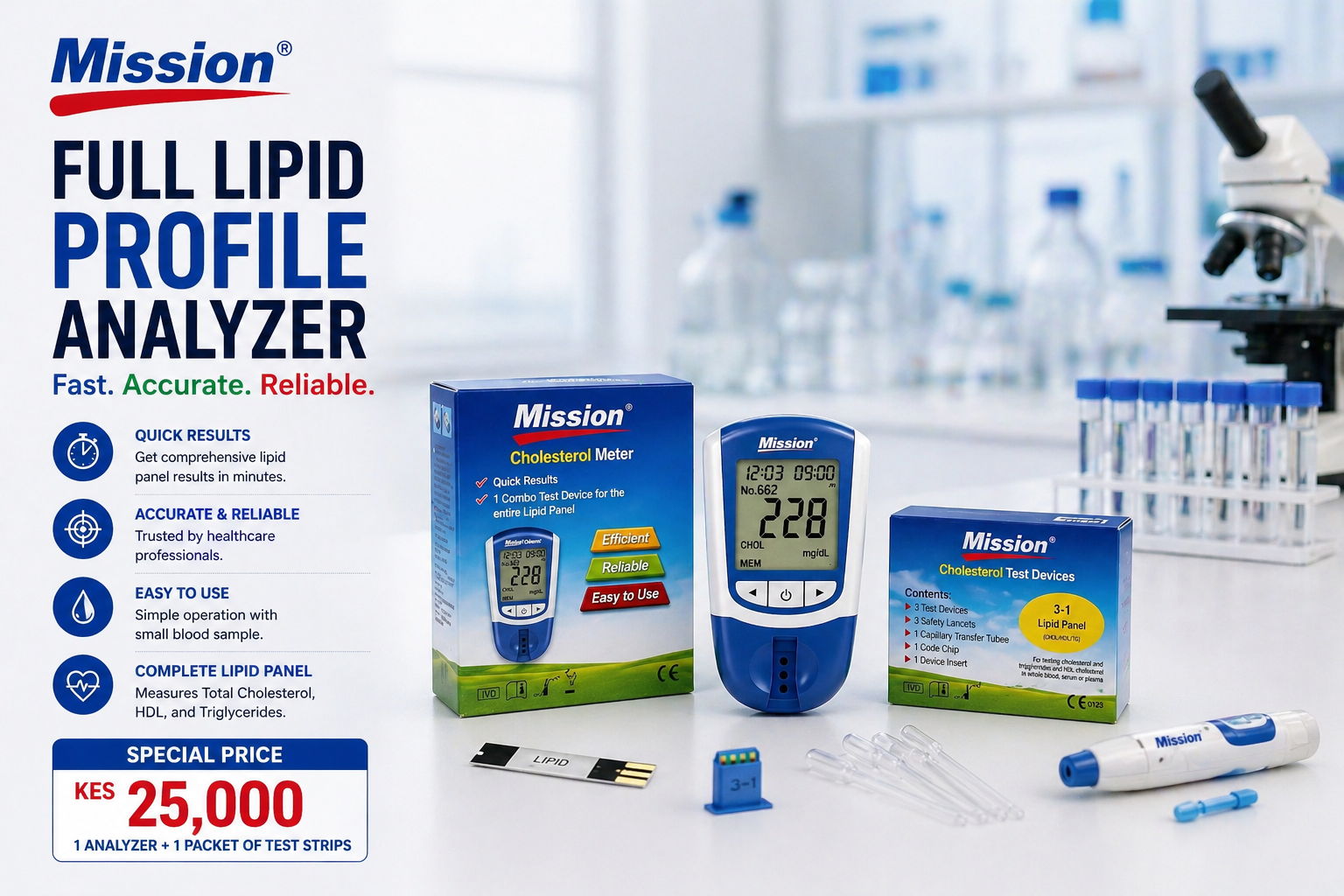
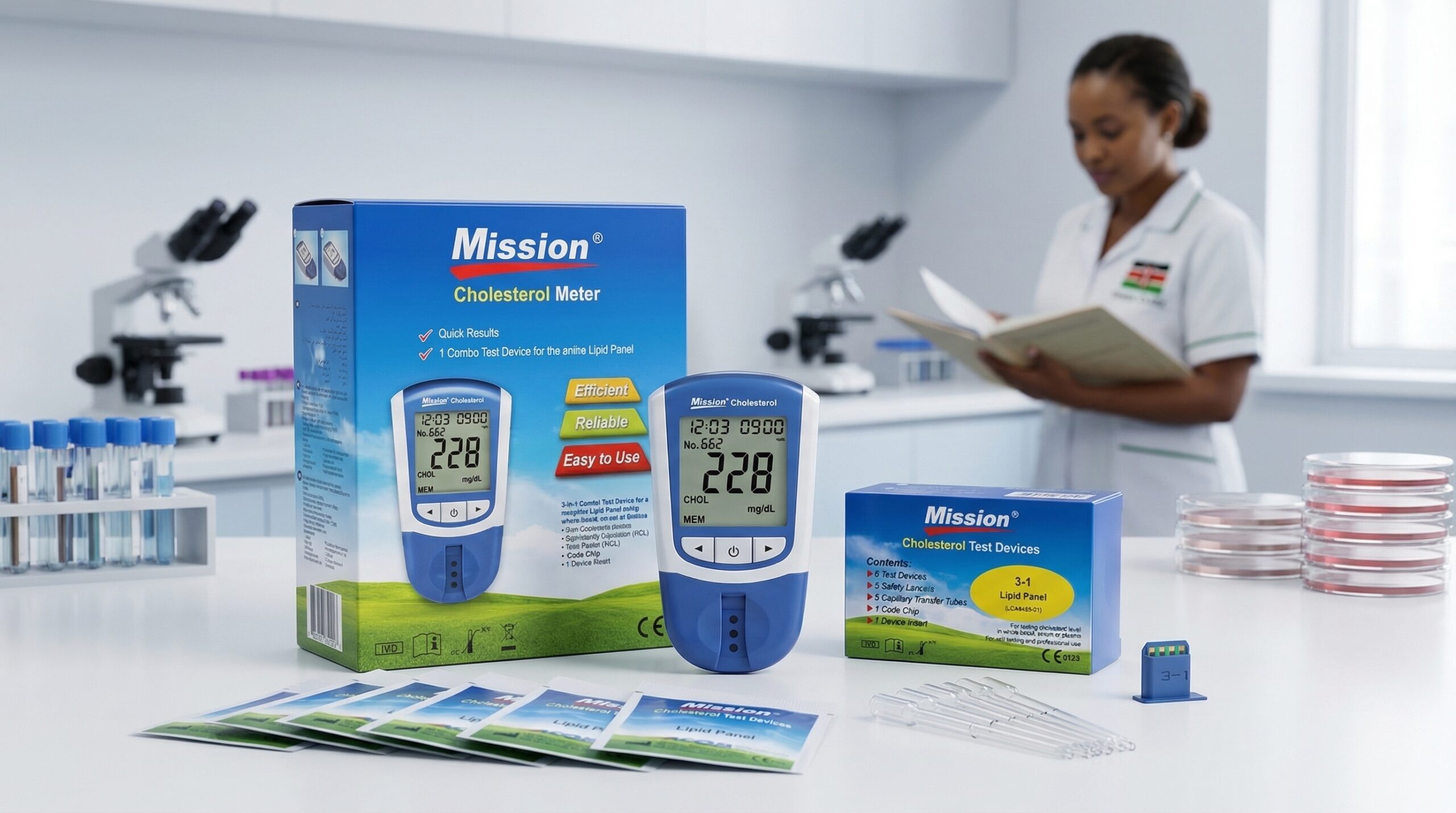
The Mission® 3-in-1 Lipid Panel system is designed to meet this need by enabling rapid cholesterol testing using a simple and efficient process.
With just a small blood sample, the system is capable of measuring:
- Total cholesterol
- High-density lipoprotein (HDL)
- Triglycerides
- Calculated low-density lipoprotein (LDL)
- Cholesterol ratios and cardiac risk indicators
Results are generated within minutes, allowing healthcare providers to make timely and informed decisions. This is particularly valuable in busy clinics, outreach programs, and settings where immediate results are required.
The use of advanced photometry technology ensures that the results are consistent and comparable to those obtained from standard laboratory analyzers.
In addition, the simplicity of the testing process reduces the need for extensive training, making it accessible for a wide range of healthcare environments.
Bridging the Gap Between Diagnosis and Action
One of the biggest challenges in healthcare is the delay between testing and decision-making. When results take too long, opportunities for early intervention may be missed.
Point-of-care solutions like the 3-in-1 lipid panel system help bridge this gap by providing instant insights into a patient’s cardiovascular health.
This enables:
- Immediate patient counseling
- Faster clinical decisions
- Improved patient engagement
- Better long-term outcomes
By bringing testing closer to the patient, healthcare providers can shift from reactive treatment to proactive prevention.
Taking Control of Your Heart Health
Managing cholesterol is not about eliminating it from your body, but about maintaining the right balance.
This requires a combination of:
- Regular monitoring
- Healthy dietary choices
- Physical activity
- Medical guidance when necessary
With the right tools and knowledge, it is possible to significantly reduce the risk of cardiovascular disease and maintain long-term health.
Conclusion
Cholesterol management is a critical part of preventive healthcare. Despite its silent nature, its impact on the body can be severe if left unchecked.
Understanding your cholesterol levels, monitoring them consistently, and taking action when necessary can make the difference between long-term health and serious medical complications.
Advancements in diagnostic technology now make it easier than ever to access accurate and timely cholesterol testing, empowering both healthcare providers and patients to take control of cardiovascular health.
Get Reliable Cholesterol Testing Solutions
For healthcare providers, laboratories, and organizations looking to improve screening and diagnostic efficiency, reliable tools are essential.
Lochlabs Limited provides high-quality, affordable diagnostic solutions designed to support effective cholesterol monitoring and cardiovascular risk assessment.
To learn more about the Mission® 3-in-1 Lipid Panel system or to place an order, contact:
Call/WhatsApp: +254 720 952727
Email: info@lochlabs.com
Explore products: https://lochlabs.com/our-products/